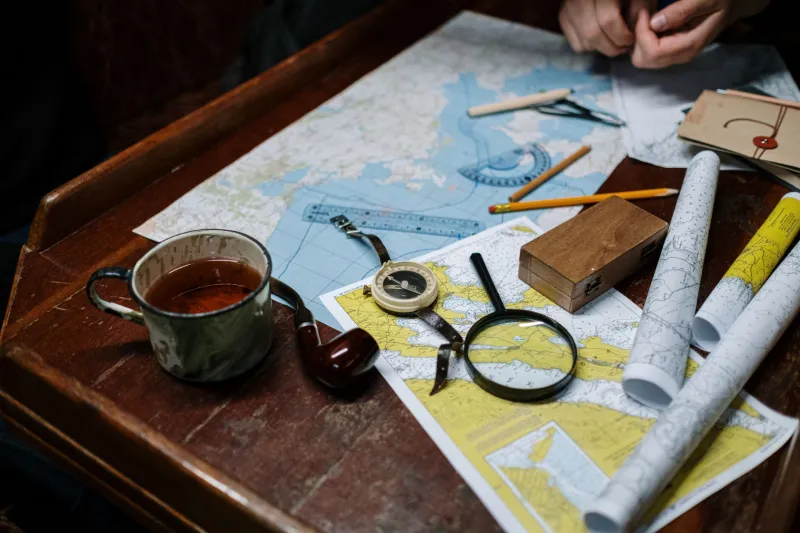
Step Right Up: The Carnival Hustler Who Conquered the Airwaves
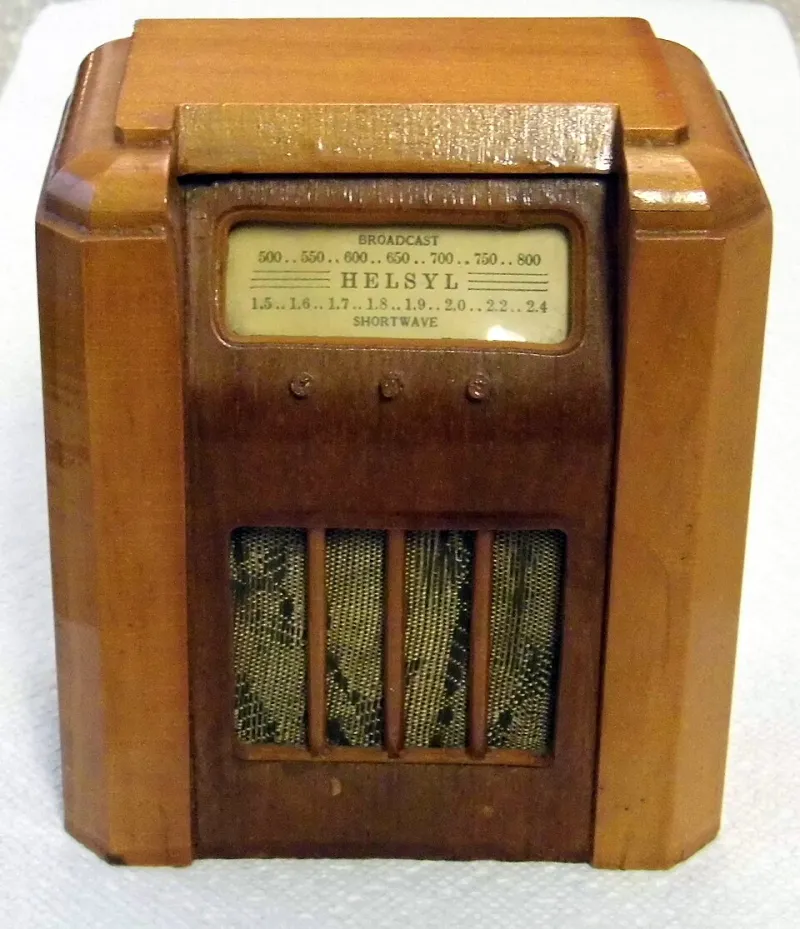
Photo: Joe Haupt from USA, CC BY-SA 2.0, via Wikimedia Commons
There's a particular kind of genius that the respectable world has never quite known what to do with. It doesn't show up in classrooms or boardrooms. It develops in loud, chaotic, slightly disreputable places — at the edge of a midway, under a striped canvas tent, in the practiced pause before the pitch lands. It's the genius of knowing exactly how a stranger's attention works, and exactly how long you have before you lose it.
Clem Whitaker Jr. had that genius in abundance. What he didn't have, for most of his early life, was anywhere respectable to use it.
Born to the Midway
Clem was born in 1908 in Muncie, Indiana, the son of a hardware store owner who died when Clem was eleven, leaving the family with modest savings and a mother who was, by all accounts, magnificently practical about what came next. By fourteen, Clem was working summers at county fairs — first as a ticket-taker, then as a food vendor, then, inevitably, as a barker.
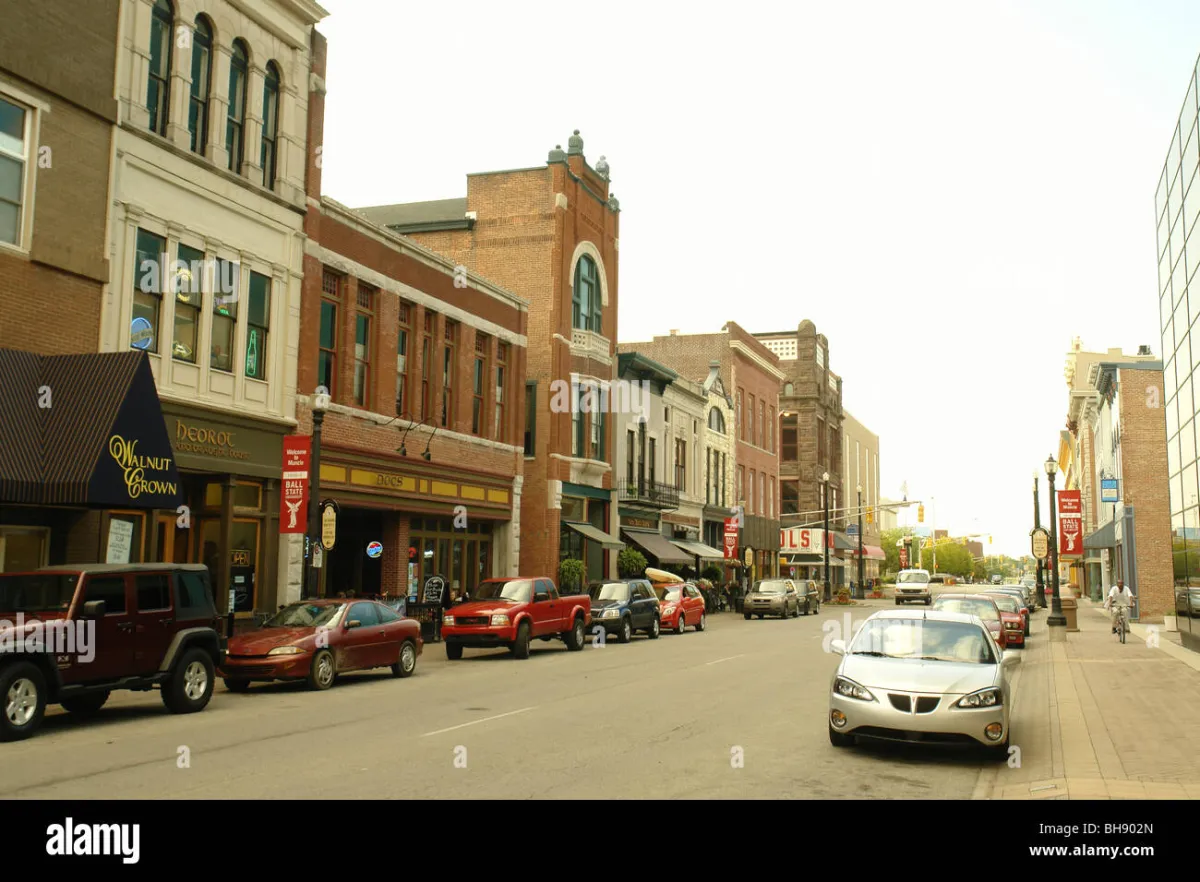 Photo: Muncie, Indiana, via c8.alamy.com
Barking is an art that looks like noise. From the outside, it seems like someone simply yelling at passersby. From the inside, it's a continuous, improvisational exercise in reading human psychology. You learn to clock a mark in two seconds — whether they're curious or skeptical, whether they're with family or alone, whether they want to be entertained or want to feel smart. You learn to adjust your pitch mid-sentence based on the micro-expressions of someone who hasn't said a word yet. You learn that silence, deployed correctly, is louder than anything you can shout.
By his early twenties, Clem was one of the better barkers on the Midwest fair circuit — working everything from freak shows to shell games to a traveling medicine exhibition that sold a tonic of dubious composition and considerable popularity. He moved with the season, following the circuit from Illinois to Iowa to Kansas and back, living out of a converted truck and sending money home to his mother in Muncie.
He was good at the life. He was also, quietly, tired of it.
The Box That Changed Everything
The moment Clem first heard radio — really heard it, in the back of a roadside diner in Springfield, Illinois, in 1931 — he didn't think about technology or innovation or the future of communication. He thought: that's a stage with no ceiling.
He'd spent a decade working crowds of fifty, a hundred, maybe two hundred people on a good afternoon. Radio was reaching hundreds of thousands simultaneously, and most of what he heard coming through that diner speaker was — in his professional assessment — terrible. Stiff. Nervous. Performers who sounded like they were reading from a card, which they were. Announcers who had lovely voices and no idea what to do with them. People who understood broadcasting as a technical challenge rather than a performance problem.
Clem understood it immediately as a performance problem.
He talked his way into an audition at a small AM station in Peoria, Illinois — WMBD — in the spring of 1932. He had no experience in radio, no formal training, and no particular plan. What he had was a voice that sounded like a handshake and a pacing instinct developed over a decade of working live crowds. He got a slot hosting a late-afternoon variety hour that nobody else wanted. He called it The Back Forty — a name that meant nothing in particular but felt like something, which was the whole point.
What the Midway Taught Him That Broadcasting School Couldn't
The conventional radio wisdom of the early 1930s held that audiences needed to be treated with a certain formality. Broadcasting was new, important, serious. The people at the microphone were supposed to reflect that gravity.
Clem thought this was insane.
He'd spent years watching what actually held people's attention — not dignity, not polish, but engagement. Surprise. The sense that something could happen at any moment. The feeling of being let in on something. He brought all of it to The Back Forty: unexpected pauses, casual asides that felt unscripted (some were, some weren't), a habit of addressing the audience as if they were a specific person sitting across from him rather than an abstract mass of listeners.
He introduced local guests the way a carnival barker introduces an act — building anticipation, delivering the reveal with timing that made even a county agricultural extension agent sound like someone worth knowing. He ran giveaways with the same psychological architecture as a midway game: the illusion of easy victory, the pleasure of participation, the desire to try again.
The Back Forty doubled its ratings in three months. Within a year, it was the most listened-to afternoon program in the Peoria market.
Building the Empire
Clem didn't stop at one station. He had the showman's instinct for knowing when the tent was too small.
By 1937, he'd leveraged his Peoria success — and a carefully cultivated network of relationships with local advertisers who loved him because he actually sold things — to acquire a minority ownership stake in WMBD. It was an arrangement that confused the station's majority owners, who couldn't quite figure out how a former carnival worker had maneuvered himself into their boardroom. The answer was simple: he'd treated every conversation, every negotiation, every pitch meeting the same way he'd treated a midway crowd. He read the room. He found the gap between what people said they wanted and what they actually responded to. And he closed.
Over the following fifteen years, Clem built a regional radio network that at its peak included six stations across Illinois, Indiana, and southern Wisconsin. He was never a national figure — he had no interest in New York or Hollywood, which he regarded with the mild contempt of someone who's seen enough fancy packaging to know it doesn't always contain anything worth buying. His empire was deliberately local, deliberately personal, and extraordinarily profitable.
He programmed his stations with an instinct for what Midwestern audiences actually wanted to hear — farm reports delivered with personality, local sports coverage that treated high school football like it mattered (because to his listeners, it did), community programming that made each station feel like a neighbor rather than a broadcaster.
The Skills They Told Him to Leave Behind
Clem Whitaker Jr. was never fully accepted by the broadcasting establishment. The trade press occasionally covered him, usually with a note of condescension about his background — the carnival barker who'd blundered into radio. Industry conferences didn't invite him. The networks in New York regarded his regional operation the way coastal cities have always regarded the Midwest: with a mixture of dismissal and occasional, reluctant respect.
He didn't seem to mind. He'd spent his whole career working with audiences who hadn't been told to like him yet, and winning them over anyway. A skeptical industry establishment was just a bigger midway.
When he sold his station group in 1961 to a larger broadcasting company for a sum that surprised everyone except Clem, he retired to a farmhouse outside Bloomington, Illinois, and spent the next two decades doing what he'd always done between fair seasons: watching, waiting, and reading people with the patient precision of someone who learned the craft the hard way.
 Photo: Bloomington, Illinois, via cdn.britannica.com
He died in 1984. His obituary in the Peoria Journal Star called him "a pioneering regional broadcaster." It didn't mention the carnival. He probably would have found that funny.
What the Tent Knew That the Tower Didn't
The skills the respectable world dismisses have a way of finding their moment. The ability to hold a stranger's attention, to time a pause, to make a room of people feel like they're being spoken to personally — these aren't carnival tricks. They're the fundamental mechanics of human communication, and they're rarer than any credential.
Clem Whitaker Jr. learned them in the loudest, most chaotic classroom imaginable. Then he walked into the quietest medium of his era and used them to build something that lasted.
Step right up, indeed.