Dirt Under Their Nails: Eight Prisoners Who Grew Their Way to a Second Life
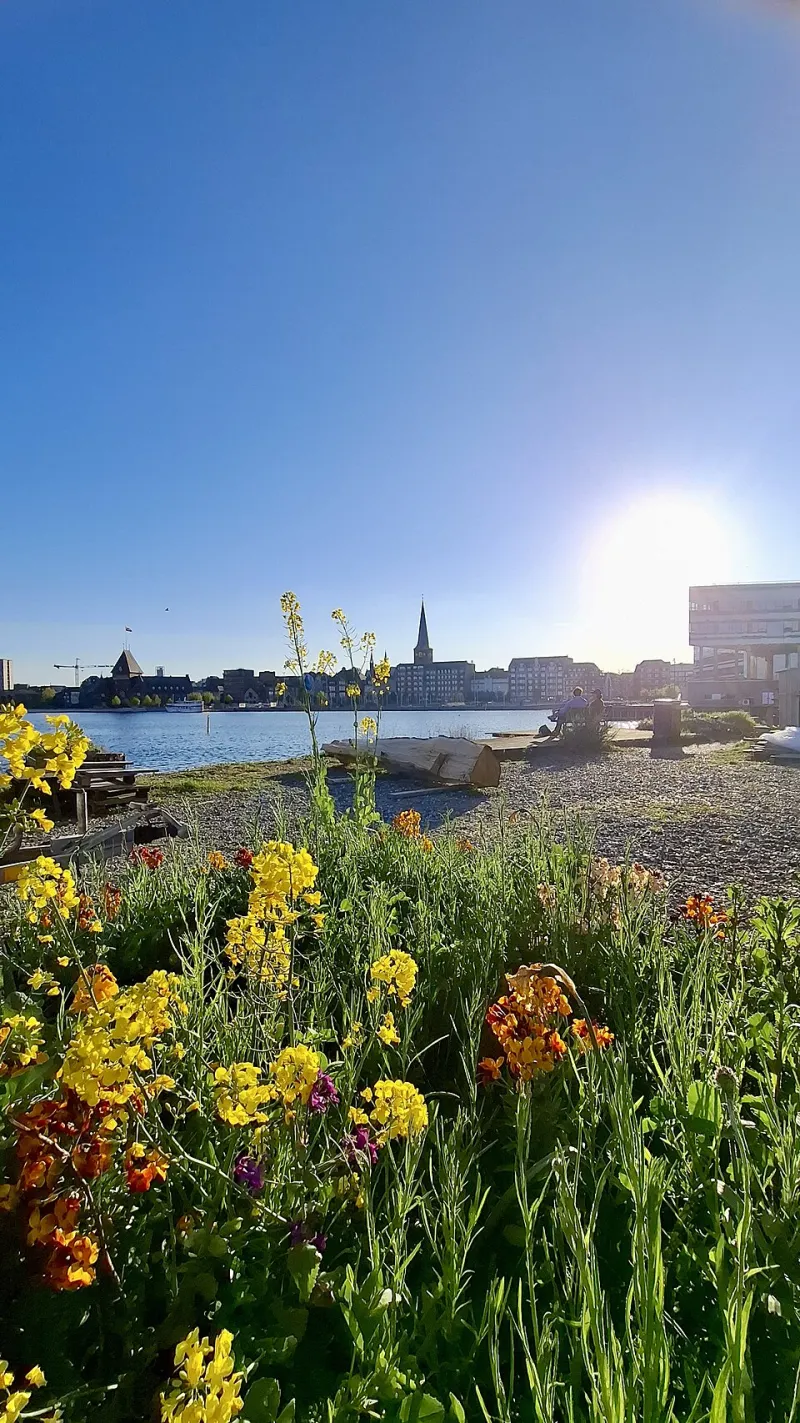
Photo: Ciara Ní Riain, CC BY-SA 4.0, via Wikimedia Commons
A prison garden is a strange thing — a place of genuine growth inside a system designed to contain it. The soil doesn't care about your sentence length. Seeds don't ask what you did. And for the people on this list, the hours they spent learning to coax food from the ground became something nobody in the corrections system had quite anticipated: a master class in patience, systems thinking, and the long game.
Here are eight remarkable people who planted something behind bars — and harvested a life on the other side.
1. James Watkins — From Angola to Acres
James Watkins spent eleven years at Louisiana State Penitentiary, better known as Angola, one of the most storied and troubled prisons in American history. Angola sits on eighteen thousand acres of former plantation land, and its agricultural program is extensive — sometimes controversially so. But for Watkins, who arrived functionally illiterate and left with a working knowledge of soil science, crop rotation, and irrigation systems, the fields were an education nobody could take back.
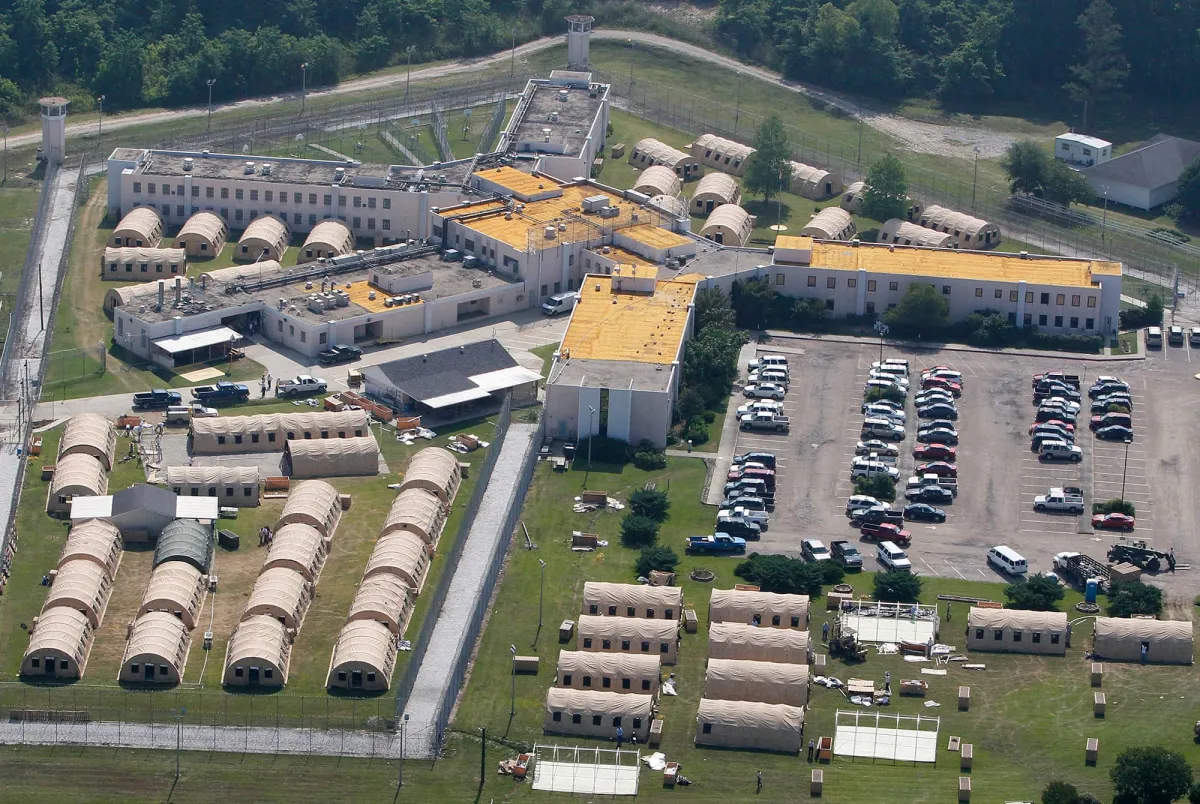 Photo: Louisiana State Penitentiary, via grist.org
Released in 2003, he settled in North Baton Rouge, a neighborhood that hadn't seen a full-service grocery store in decades. Within five years, he had established a community farm on a series of vacant lots that now supplies fresh produce to roughly four hundred families each growing season. He's turned down two buyout offers and trains formerly incarcerated men and women as a matter of policy.
"The land doesn't hold grudges," he told a local paper in 2011. "That was the first honest thing I learned."
2. Dolores Reyes — The Greenhouse on the Inside
Dolores Reyes entered the California correctional system in the early 1990s and was assigned, almost randomly, to the horticultural vocational program at a women's facility near Chowchilla. She had grown up in East Los Angeles, nowhere near a garden of any kind. The work felt pointless at first.
By her third year, she was running the greenhouse operations and teaching other incarcerated women how to propagate plants from cuttings. She developed a particular expertise in drought-resistant native species — knowledge that would prove startlingly relevant in the California of the 2010s.
After her release, Reyes spent several years working for a commercial nursery before launching her own native plant business, which now supplies restoration projects for several California counties. She employs eight people, six of whom have criminal records.
3. Marcus Bell — The Man Who Brought Farming Back to Detroit
Marcus Bell's story is inseparable from Detroit's story. He went in during the city's collapse and came out during its tentative, uneven revival. The prison garden program he participated in in Michigan was modest — a few raised beds, some basic instruction — but it gave him a framework that his own restless intelligence expanded dramatically.
He spent his years inside reading every agricultural text he could get through the prison library system, requesting books through interlibrary loan with a persistence that eventually wore down the librarians into admiration. By the time he was released, he had a self-directed education in urban agriculture that most credentialed professionals couldn't match.
His urban farm in Detroit's North End now occupies three formerly abandoned lots and runs a youth apprenticeship program that has become a model for similar efforts in Cleveland and Baltimore.
4. Helen Cho — Herbs, Healing, and a Farmers Market Empire
Helen Cho was incarcerated in Washington State in the late 1990s and found her way into a therapeutic gardening program that was, at the time, considered something of an experimental indulgence by prison administrators. She took it seriously when almost nobody else did.
Her focus was medicinal herbs — a specialty that felt esoteric inside prison walls but turned out to have remarkable commercial potential in the Pacific Northwest's booming wellness market. After her release, she built a small operation growing culinary and medicinal herbs for farmers markets in the Seattle area, eventually expanding into wholesale supply for restaurants and natural food stores.
She now runs workshops teaching other formerly incarcerated women the business side of small-scale farming — pricing, contracts, marketing, the parts that nobody teaches you when they hand you a trowel.
5. Robert "Slim" Tanner — Feeding the Food Desert
Slim Tanner grew up in the Mississippi Delta and returned to it after his release from Parchman Farm, the Mississippi State Penitentiary, in the late 1980s. He came back to a community where fresh vegetables were a luxury and chronic diet-related illness was simply accepted as the background condition of life.
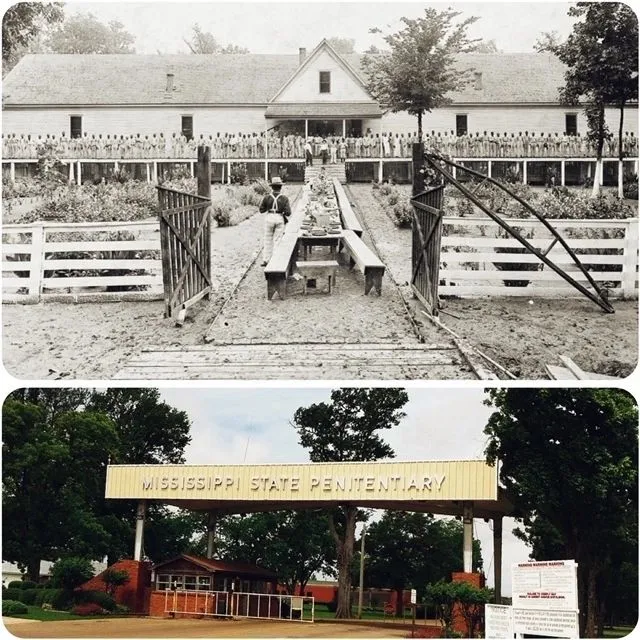 Photo: Parchman Farm, via img1.wsimg.com
The agricultural skills he'd developed at Parchman — one of the few genuinely transferable things the institution offered — gave him a foundation. A small plot of family land gave him a start. And an almost obstinate refusal to give up gave him everything else.
Tanner's farm now operates a subscription box program serving families across two Delta counties. He has been written up in agricultural journals and turned down a reality television appearance because, as he put it, "I'm not a story. I'm a farmer."
6. Patricia Osei — The Composting Pioneer Nobody Expected
Patricia Osei's contribution to her prison's garden program wasn't glamorous: she became obsessed with composting. While other participants focused on what they were growing, Osei focused on the soil itself — its biology, its chemistry, the intricate invisible systems that made everything else possible.
After her release from a federal facility in 2007, she parlayed that expertise into a consulting practice helping municipalities and institutions set up large-scale composting operations. Her client list now includes several mid-sized American cities, and she has spoken at national environmental conferences about the unexpected pipeline from prison horticulture programs to green-sector employment.
She is careful, in those talks, to credit the program that gave her the start — and equally careful to note that it almost didn't exist, surviving year after year on budget lines that administrators repeatedly tried to cut.
7. David Espinoza — The Seed Library
David Espinoza spent eight years in a Texas correctional facility and used the agricultural program there to develop what became an unusual specialty: seed saving. He learned to identify, harvest, and store seeds from heirloom vegetable varieties — a practice that puts him in a tradition stretching back thousands of years but that had largely vanished from commercial agriculture.
After his release, he established a seed library in San Antonio — a community resource that allows anyone to check out seeds, grow them, and return seeds from the harvest. The library now maintains over three hundred varieties, several of which are regionally rare, and has become an anchor institution for the city's urban farming community.
Espinoza has never applied for a grant, preferring to keep the operation free from the reporting requirements and institutional politics that he feels would change its character. It runs, improbably, on donations and the goodwill of a very dedicated volunteer base.
8. Wanda Pruitt — Growing Hope in Cleveland
Wanda Pruitt was released from an Ohio correctional facility in 2010 with eighty dollars, a bus ticket, and a certificate in horticulture that she'd earned through the prison's vocational program. The certificate felt like a small thing. It turned out to be everything.
She connected with a community garden organization in Cleveland's Hough neighborhood — a community that had been abandoned by institutional investment for decades — and within a year was managing the operation. Within three years, she had expanded it into a network of six garden sites and launched a farm-to-table catering operation that employs formerly incarcerated women exclusively.
The catering business now serves corporate clients, and Pruitt has used those relationships to build a job placement pipeline that moves women from the garden program into food service employment with companies that have agreed to conduct fair-chance hiring. She calls it "planting people."
What the Soil Teaches
These eight stories share something that goes beyond horticulture. Prison gardens, at their best, offer something the correctional system rarely provides: a direct, honest relationship between effort and outcome. You plant carefully, you tend consistently, something grows. You neglect the basics, it dies. There's no bureaucracy mediating the result.
For people whose lives have often been defined by systems that felt arbitrary and outcomes that felt uncontrollable, that directness can be transformative. The dirt doesn't lie. The seasons don't negotiate. And the harvest — humble as it sometimes is — belongs entirely to the person who grew it.
That, more than any particular agricultural skill, may be what these eight people carried out through the gate with them.