The Inventor They Couldn't Own: How a Bondsman Outsmarted the Patent Office and Rewrote the Rules of Genius
In the summer of 1834, a clerk at the U.S. Patent Office in Washington D.C. processed an application that should have been impossible. The inventor's name was Henry Blair. His address: Montgomery County, Maryland. His occupation: farmer. His legal status: property.
 Photo: U.S. Patent Office, via cdn.freebiesupply.com
 Photo: Montgomery County, Maryland, via www.preservationmaryland.org
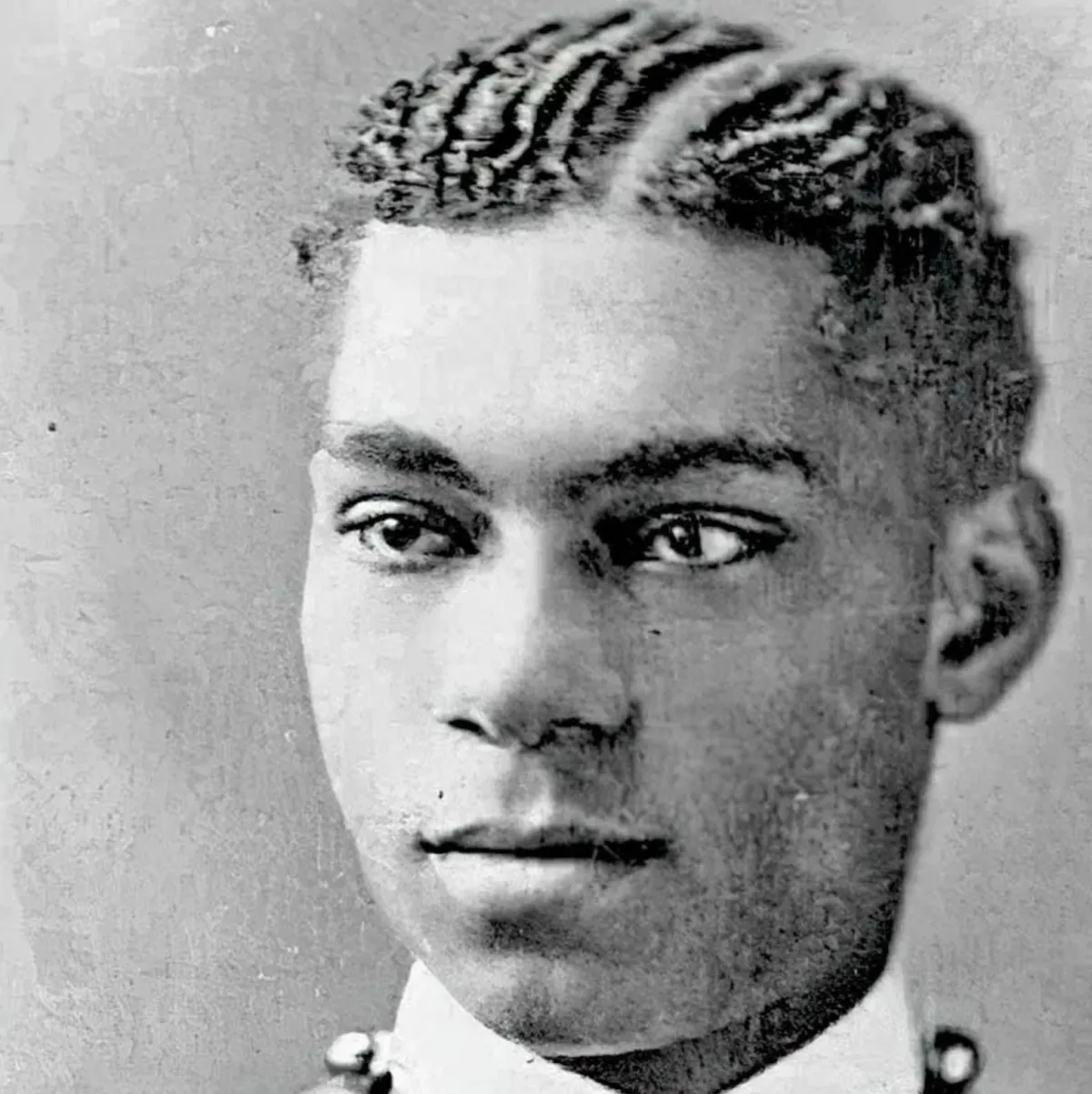 Photo: Henry Blair, via hips.hearstapps.com
Blair had just become the first enslaved person to receive a U.S. patent, and he'd done it by exploiting a loophole so obvious that lawmakers had never bothered to close it.
When the System Had No Answer
The Patent Act of 1793 was crystal clear about who could secure intellectual property rights: "any person or persons." What it didn't clarify was whether someone legally classified as three-fifths of a person qualified. Blair's corn planter patent—a revolutionary seed drill that could plant rows with mechanical precision—forced the question.
The patent office faced an administrative nightmare. Here was an invention that clearly advanced the "useful arts," submitted by someone the law simultaneously recognized as both inventor and chattel. Blair had signed his own application, demonstrated literacy, and paid the required fees. Every bureaucratic box was checked by a man who, under different circumstances, could have been sold at auction that same afternoon.
They approved it anyway.
The Mind That Wouldn't Be Caged
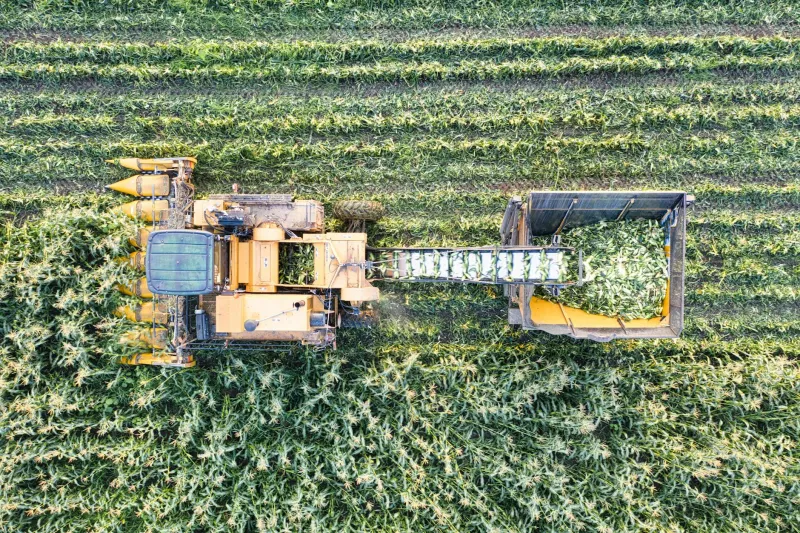
Blair's corn planter wasn't lucky accident—it was the product of systematic observation and mechanical genius. Traditional planting required teams of workers to manually drop seeds into furrows, a process so labor-intensive that small farms often couldn't afford to expand cultivation. Blair's device allowed a single operator to plant multiple rows simultaneously, with consistent spacing and depth.
The innovation came from someone who understood both the economics of agriculture and the physics of soil displacement. Blair had spent years watching inefficient planting methods drain profits from Maryland farms. His solution combined a wheeled frame, adjustable seed hoppers, and a covering mechanism that could handle the region's clay-heavy soil.
But genius under bondage carried unique risks. Every improvement Blair made to agricultural efficiency potentially increased his own market value. His innovations could price him out of his current situation—or make him too valuable to ever be freed.
The Second Gamble
Two years later, Blair filed again. Patent No. X8447 covered a cotton planter that adapted his corn-planting principles to the South's most valuable crop. This wasn't just mechanical iteration—it was economic warfare disguised as farming equipment.
Cotton cultivation in the 1830s still relied on methods that would have been familiar to ancient farmers. Blair's planter promised to reduce labor costs while increasing yield consistency. For plantation owners, it represented potential goldmine. For Blair, it was proof that his first patent hadn't been a fluke.
The second approval established something unprecedented: a enslaved inventor with multiple patents, each one demonstrating that innovation could emerge from the most unlikely circumstances.
The Disappearing Act
Here's where Blair's story takes a peculiar turn. Despite revolutionizing agricultural machinery during America's farming boom, his name virtually disappears from historical records after 1836. No death certificate, no manumission papers, no further patents.
Some historians suggest Blair was freed and chose anonymity. Others believe he was sold south, where his identity was deliberately erased. A third theory holds that he continued inventing under assumed names, his later work attributed to white "collaborators."
What we know for certain is that agricultural equipment manufacturing exploded in the decades following Blair's patents. Companies across the Midwest produced variations of his designs, often without attribution. The mechanical principles he pioneered—precision seed placement, adjustable depth control, multi-row efficiency—became industry standards.
The Legacy They Couldn't Erase
Blair's patents created an intellectual property paradox that American law would struggle with for decades. How could the patent system protect the innovations of people it refused to fully recognize as human? His success forced uncomfortable questions about the relationship between legal personhood and creative genius.
The Patent Office eventually "solved" this problem by restricting patent applications to free citizens only. But Blair's precedent had already been set. His patents remained valid, his innovations continued influencing agricultural development, and his example proved that systematic oppression couldn't actually suppress systematic thinking.
Today, precision agriculture—GPS-guided planters, variable-rate seeding, automated field mapping—traces its conceptual lineage back to a Maryland farmer who refused to let legal limitations define intellectual boundaries. Blair's corn planter was primitive by modern standards, but its core insight remains unchanged: farming efficiency comes from understanding both soil science and mechanical advantage.
The Questions That Remain
Blair's story raises uncomfortable possibilities about innovation under oppression. How many other enslaved inventors never reached the patent office? How many breakthrough ideas were attributed to masters rather than creators? How many technological advances were delayed because legal systems prioritized property rights over intellectual achievement?
We'll never know Blair's full story—whether he died in bondage, lived as a free man, or continued inventing under other names. But his patents survive as proof that human ingenuity operates independent of human law. Sometimes the most revolutionary act is simply refusing to accept that genius has prerequisites.
In the end, Henry Blair didn't just invent better farming equipment. He invented a new category of American innovator: the one they couldn't own, couldn't silence, and ultimately couldn't forget.