
The Boy Who Couldn't Say His Own Name
Harold Brennan was eight years old the first time he tried to introduce himself to a new teacher. What should have been a simple "Harold Brennan" became a tortuous thirty-second ordeal of stammering consonants and swallowed syllables. The classroom erupted in giggles. The teacher, flustered and unprepared, simply moved on to the next student.
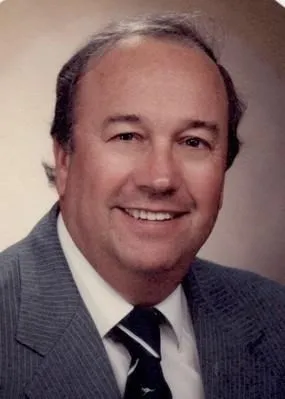 Photo: Harold Brennan, via cache.legacy.net
It was 1952 in Zanesville, Ohio, and speech therapy wasn't something small Midwestern towns offered to farm kids whose fathers worked the local pottery plants. Harold's stutter was treated as a character flaw, not a medical condition. His parents, well-meaning but overwhelmed, suggested he "just think before speaking." His teachers grew impatient. His classmates grew cruel.
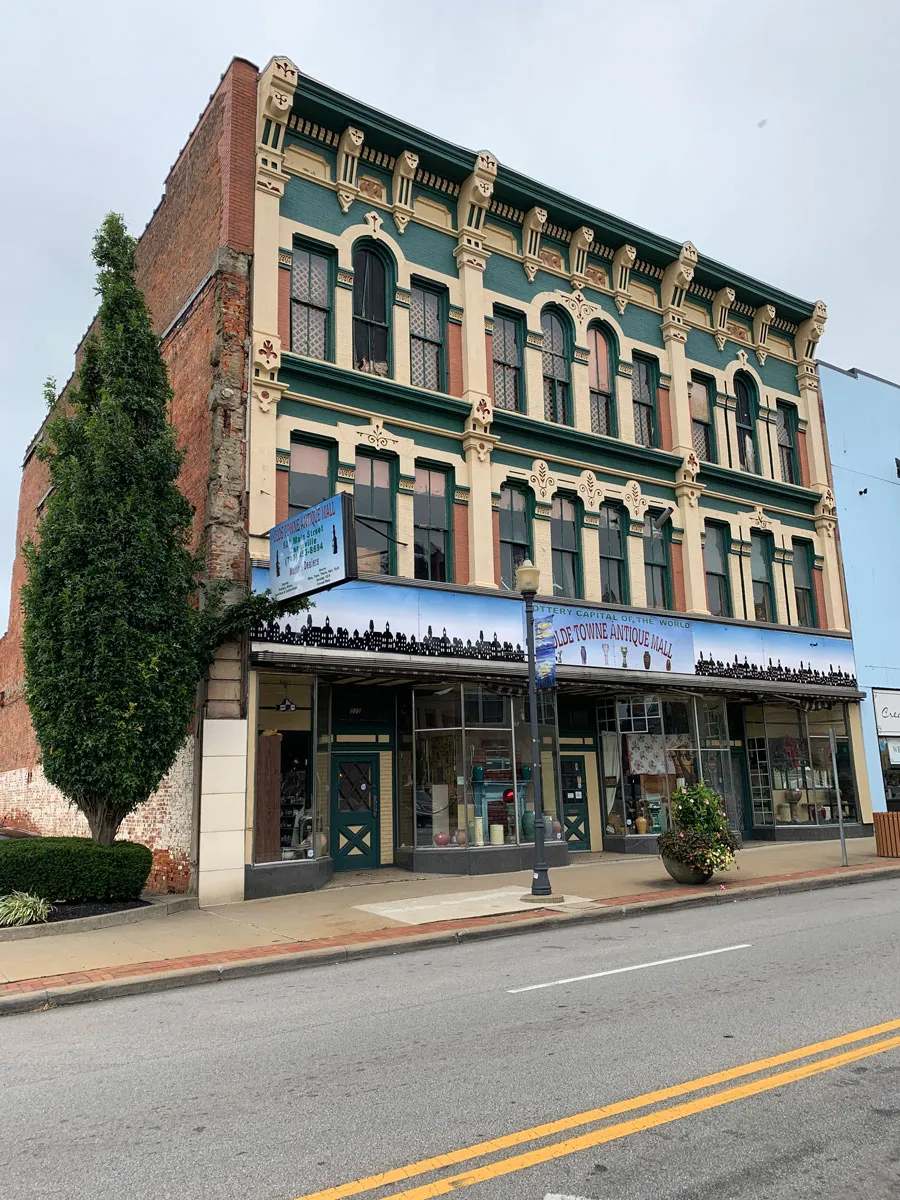 Photo: Zanesville, Ohio, via www.downtown-exchange.com
By high school, Harold had learned to navigate the world in near-silence. He became a master of nods, shrugs, and strategic invisibility. When forced to speak, he'd rehearse sentences in his head for minutes before attempting them aloud. Even then, words would catch in his throat like fish hooks.
Nobody in Zanesville could have predicted that this tongue-tied teenager would one day command rooms full of Manhattan's most powerful real estate moguls, selling billion-dollar properties with a voice that made grown men stop everything they were doing just to listen.
Finding His Voice in the Worst Possible Place
After high school, Harold drifted through a series of jobs that required minimal speaking: warehouse work, night security, factory assembly lines. But in 1974, desperate for steady income after his factory closed, he took a job at a local auction house that specialized in farm equipment and estate sales.
The irony wasn't lost on him. An auctioneer who couldn't speak fluently was like a surgeon with shaky hands. But Harold needed the work, and the owner, Mel Kowalski, needed someone willing to work for almost nothing.
Harold started in the back, cataloging items and moving furniture. But Kowalski was getting old, and his regular auctioneer had moved to Columbus. One Saturday afternoon, with a barn full of bidders and no one to run the sale, Kowalski thrust a microphone into Harold's hands.
"You know the items better than anyone," he said. "Just get through it."
Harold's first auction was a disaster by conventional standards. Where experienced auctioneers delivered rapid-fire chants that created urgency and excitement, Harold spoke slowly, deliberately, often pausing mid-sentence as he fought his stutter. Bidders shifted uncomfortably. Some left early.
But something unexpected happened. The people who stayed began to listen more carefully. Harold's forced pauses created natural moments for consideration. His struggle with words made every sentence feel important, considered, honest. When he described a piece of farm equipment or a family heirloom, his deliberate pace allowed bidders to really hear what he was saying.
That day's sales figures were respectable. More importantly, several bidders approached Harold afterward to compliment his "thoughtful approach."
The Accidental Advantage
Over the next few years, Harold developed a following among local collectors and dealers. They appreciated his careful descriptions and unhurried pace. Word spread about the auctioneer who made you think before you bid, who never rushed you into a decision you'd regret.
Harold began studying his craft obsessively. He read everything about auction psychology, sales techniques, and property valuation. He realized that in a world full of fast-talking salespeople, his forced deliberation was actually building trust. Bidders believed him because he clearly wasn't trying to manipulate them with verbal gymnastics.
By the early 1980s, Harold had opened his own auction house. His specialty became estate sales for wealthy families—situations where trust and dignity mattered more than speed. Grieving families appreciated his respectful pace. High-end collectors valued his careful attention to detail.
From Farm Sales to Skyscrapers
The call that changed everything came in 1987. A Columbus law firm handling a complex bankruptcy needed someone to auction a small commercial building. The regular auctioneers were booked, and someone had heard about Harold's reputation for handling sensitive situations.
The property was a modest office building worth maybe $200,000. Harold approached it with his usual meticulous preparation, researching comparable sales, studying the local market, crafting detailed descriptions of the building's features and potential.
On auction day, Harold's deliberate style worked even better with sophisticated buyers than it had with farm equipment collectors. Corporate bidders, accustomed to high-pressure sales tactics, found his measured approach refreshing. His stutter, now less pronounced after years of practice but still present, made every word carry weight.
The building sold for $280,000—forty percent above the expected price.
The Voice That Moved Manhattan
Word of Harold's success with commercial properties spread through Ohio's legal and banking communities. By the 1990s, he was handling major commercial auctions across the Midwest. His reputation for maximizing sale prices while maintaining dignity and transparency made him the go-to auctioneer for sensitive corporate transactions.
The leap to New York came in 1998, when a major investment bank needed someone to handle the auction of a Manhattan office building seized in a fraud case. The sale required someone who could command respect from sophisticated investors while navigating complex legal requirements.
Harold's first New York auction was intimidating—a room full of sharp-suited investors who'd seen every sales trick in the book. But his deliberate, honest approach translated perfectly. In a city where everyone talked fast and promised everything, Harold's careful words and obvious integrity stood out like a lighthouse.
The building sold for $47 million, setting a record for that type of property in that neighborhood.
Building an Empire on Careful Words
Over the next two decades, Harold became one of America's most sought-after commercial real estate auctioneers. His client list included major banks, investment firms, and government agencies. He handled the auction of landmark buildings, distressed properties, and complex commercial portfolios worth hundreds of millions of dollars.
His signature style never changed. He still spoke slowly, still paused when his stutter demanded it, still treated every word as if it mattered. In boardrooms where billion-dollar deals were made with handshakes and half-sentences, Harold's deliberate speech commanded attention and respect.
"When Harold speaks, you listen," one Manhattan real estate mogul told the Wall Street Journal in 2015. "He doesn't waste words, so when he uses them, they count."
The Power of Different
Harold Brennan retired in 2018 at age seventy-four, having facilitated over $12 billion in commercial real estate transactions. His auction house, Brennan & Associates, remains one of the most respected names in commercial property sales.
Looking back, Harold credits his stutter with teaching him the value of choosing words carefully. "Most people in sales talk too much," he once said in a rare interview. "They think if they say enough words, some of them will stick. I learned that if you say the right words at the right pace, people remember all of them."
The boy who couldn't say his own name without struggling became a man whose voice could move millions of dollars with a single, carefully chosen sentence. His story reminds us that our greatest perceived weaknesses often contain the seeds of our most extraordinary strengths.
In a world that moves faster every year, Harold Brennan proved that sometimes the most powerful thing you can do is slow down and make every word count.