When the Last Factory Closes
There's a particular silence that settles over a town when the economic engine finally stops running. It's the sound of "For Sale" signs going up, of moving trucks heading toward bigger cities, of dreams getting packed away in cardboard boxes.
Seven American communities heard that silence. And instead of accepting it, they decided to make some noise.
Branson, Missouri: The Town That Bet on Hillbilly Heaven
The Crisis: By 1960, Branson was bleeding population. The timber industry had collapsed, tourism to the nearby lakes was seasonal at best, and young people were fleeing to Kansas City and St. Louis as fast as they could buy bus tickets.
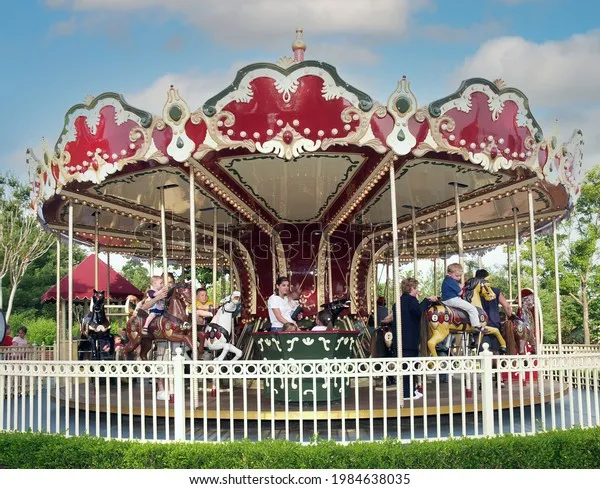 Photo: Branson, Missouri, via www.shutterstock.com
The Crazy Idea: A local businessman named Lloyd Presley looked at the rolling Ozark hills and had a vision: What if they turned their backwoods location into a feature, not a bug? What if tourists would actually pay to watch country music shows in the middle of nowhere?
The Gamble: In 1959, Presley convinced the town council to invest their entire tourism budget—all $3,000 of it—in building a small theater. Most folks thought he'd lost his mind. Who would drive hours into the Missouri hills to watch amateur musicians?
The Payoff: Today, Branson pulls in 9 million visitors annually. The town that almost disappeared now has more theater seats than Broadway. Those amateur musicians? Some of them became millionaires.
Hershey, Pennsylvania: The Chocolate Factory in the Middle of Nowhere
The Crisis: In 1903, central Pennsylvania was dairy country—and struggling dairy country at that. Farms were failing, young people were moving to Philadelphia and Pittsburgh, and the few small towns were slowly withering away.
 Photo: Hershey, Pennsylvania, via thumbs.dreamstime.com
The Crazy Idea: Milton Hershey had made a fortune selling his caramel company, and he decided to use the money to build a chocolate factory. Not in a major city with transportation infrastructure, but in the middle of Pennsylvania farmland where his workers could have good, clean living.
The Gamble: Hershey invested everything—his entire fortune—in building not just a factory, but an entire town around it. He built homes, schools, parks, even an amusement park. People thought he was throwing money away on a utopian fantasy.
The Payoff: Hershey, Pennsylvania became the chocolate capital of America. The company Milton built employs thousands and generates billions in revenue. The town that didn't exist in 1900 now attracts millions of visitors to its theme park and chocolate tours.
Las Vegas, Nevada: The Desert Mirage That Became Real
The Crisis: In 1930, Las Vegas was a railroad stop in the middle of the Mojave Desert with 5,000 residents and not much else. When the railroad jobs dried up, the town faced extinction.
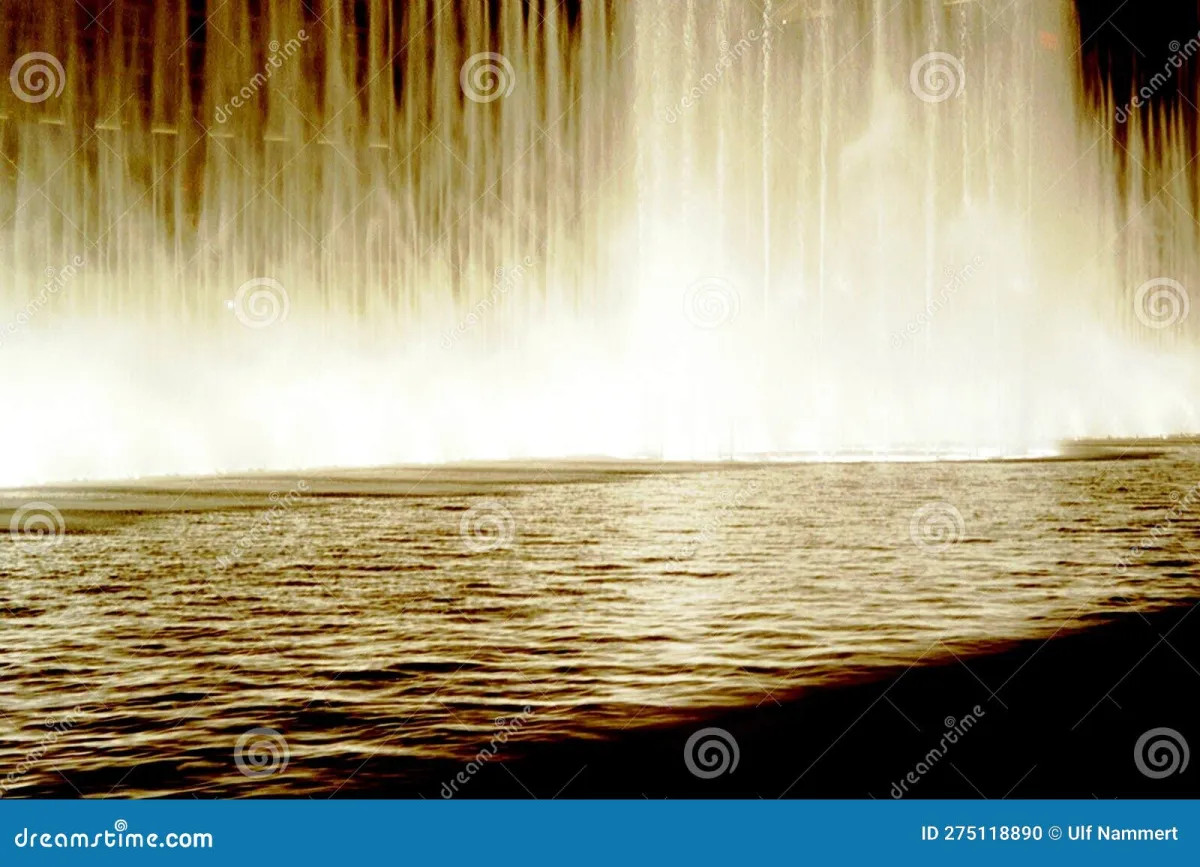 Photo: Las Vegas, Nevada, via thumbs.dreamstime.com
The Crazy Idea: A group of local businessmen looked at Nevada's liberal gambling laws and had a thought: What if they built a destination where people could do things that were illegal everywhere else?
The Gamble: They pooled their money to build the first casinos on what would become the Strip. Everyone said they were crazy—who would travel to the middle of the desert to gamble when they could do it in established cities?
The Payoff: Las Vegas now hosts 40 million visitors annually and generates over $60 billion in tourism revenue. The desert outpost became the entertainment capital of the world.
Cooperstown, New York: The Village That Invented Its Own History
The Crisis: By the 1930s, this small upstate New York village was dying. The local industries had collapsed, population was shrinking, and there seemed to be no reason for anyone to visit or stay.
The Crazy Idea: Local leaders latched onto a dubious claim that baseball had been invented in their town. They decided to bet everything on this questionable piece of history by building a Baseball Hall of Fame.
The Gamble: The town invested heavily in promoting the baseball connection, despite historians questioning whether the sport was actually invented there. They built museums and marketed themselves as the birthplace of America's pastime.
The Payoff: Cooperstown now attracts 300,000 visitors annually to its Baseball Hall of Fame. The village that was nearly forgotten became synonymous with baseball history.
Jackson Hole, Wyoming: The Ranch Town That Became a Playground
The Crisis: In the 1960s, Jackson Hole was a struggling ranching community. Cattle prices were dropping, young people were leaving for cities, and the harsh winters made year-round economic activity nearly impossible.
The Crazy Idea: A few local entrepreneurs looked at those harsh winters and saw opportunity. What if they could convince wealthy Americans that freezing cold and deep snow were actually luxuries worth paying for?
The Gamble: They invested in ski lifts and marketed Jackson Hole as a winter paradise for the wealthy. Most locals thought catering to rich tourists was a betrayal of their ranching heritage.
The Payoff: Jackson Hole became one of America's premier ski destinations. Property values skyrocketed, and the town now attracts celebrities and billionaires. The average home price went from $20,000 in 1970 to over $2 million today.
Deadwood, South Dakota: The Ghost Town That Raised the Dead
The Crisis: After the gold rush ended, Deadwood was literally becoming a ghost town. By 1980, the population had dropped to 1,800, buildings were crumbling, and the town was on the verge of being abandoned entirely.
The Crazy Idea: Town leaders proposed legalizing gambling—something that had been banned since statehood. They argued that their Wild West history made them a natural destination for tourists seeking authentic frontier experience.
The Gamble: In 1989, residents voted to allow limited-stakes gambling, betting their town's future on the appeal of their outlaw past.
The Payoff: Deadwood's casinos now generate over $100 million annually. The dying town became a thriving tourist destination, with visitors coming to gamble and experience recreated Wild West atmosphere.
Bentonville, Arkansas: The Walmart Bet That Changed Everything
The Crisis: In 1962, Bentonville was a typical small Arkansas town facing the same challenges as rural communities everywhere: young people leaving, local businesses struggling, and no clear economic future.
The Crazy Idea: Sam Walton decided to keep his company headquarters in tiny Bentonville instead of moving to a major business center. He bet that a discount retail chain could be run from anywhere.
The Gamble: Walton invested everything in building Walmart while keeping operations in a town most Americans had never heard of. Business experts said he was limiting his company's growth potential.
The Payoff: Walmart became the world's largest retailer. Bentonville transformed from a sleepy town of 3,000 to a business hub of 50,000. The Walton family's presence attracted other major corporations to northwest Arkansas.
The Courage to Bet It All
What these seven towns shared wasn't resources or location or luck. They shared something more valuable: the willingness to risk everything on an idea that seemed impossible.
When conventional wisdom said they were finished, they chose to write their own ending. And in doing so, they proved that sometimes the biggest risks yield the biggest rewards.