In September 1887, a 23-year-old reporter named Elizabeth Cochran checked herself into New York City's most notorious mental institution under the assumed name Nellie Brown. Her mission: spend ten days documenting conditions at the Women's Lunatic Asylum on Blackwell's Island. Her method: convince doctors, nurses, and fellow patients that she was genuinely insane.
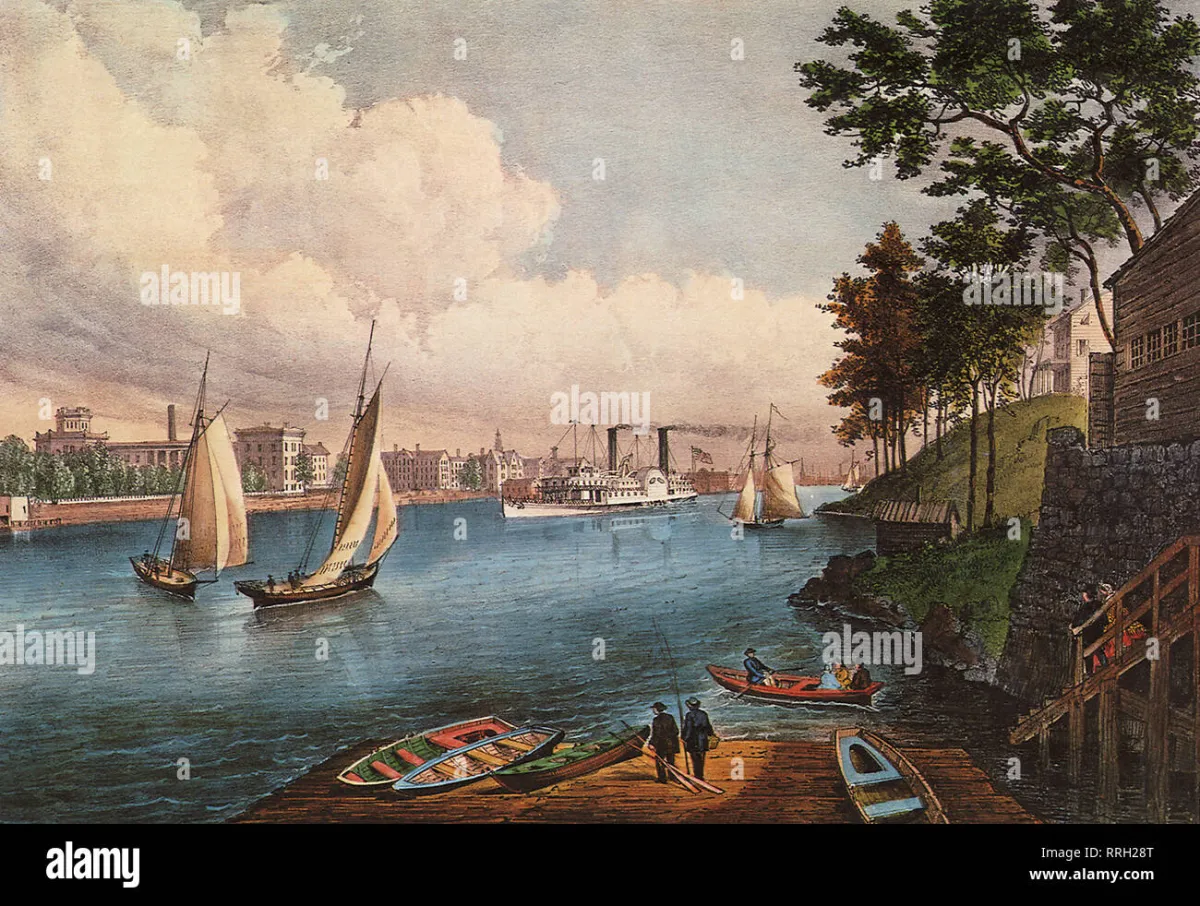 Photo: Blackwell's Island, via c8.alamy.com
What happened next didn't just expose institutional abuse—it created the template for investigative journalism that newspapers worldwide still follow today.
The Rejection That Built a Revolutionary
Before Nellie Bly became America's most famous female reporter, she was Elizabeth Cochran, a young woman repeatedly told that journalism wasn't suitable work for "her kind." Pittsburgh editors offered her flower arranging columns and society page assignments. New York newsrooms suggested she try teaching or nursing instead.
The constant rejection taught Bly something invaluable: if she wanted to tell important stories, she'd have to create her own opportunities. Traditional reporting meant waiting for news to happen, then describing it safely from the outside. Bly decided to become the news instead.
Her editor at the New York World, Joseph Pulitzer, had noticed that women's perspectives were consistently excluded from serious journalism. When Bly proposed going undercover in the city's most feared institution, Pulitzer recognized both the story's potential and the unique advantages of her gender—male reporters could never access women's facilities with the same credibility.
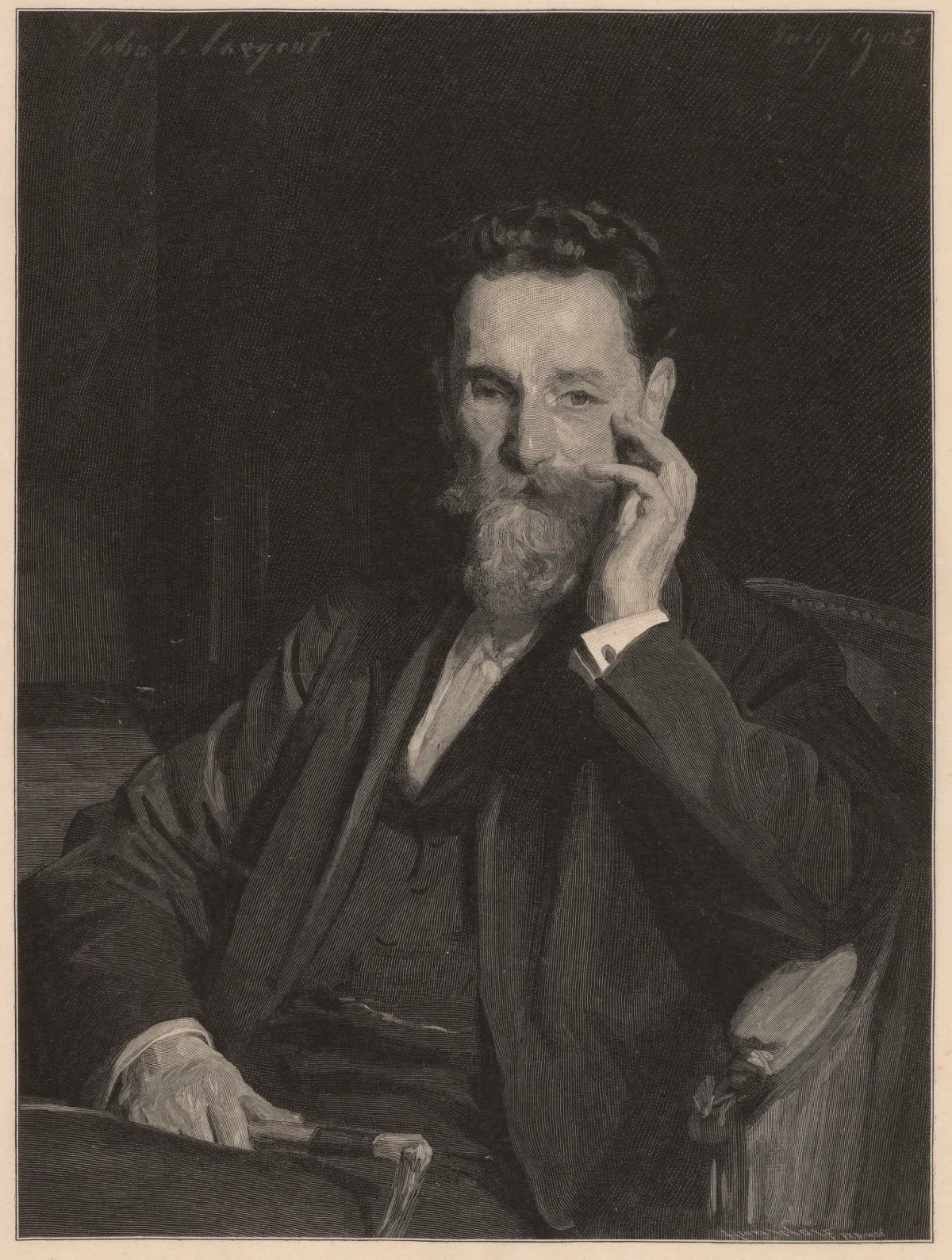 Photo: Joseph Pulitzer, via ids.si.edu
The Performance of a Lifetime
Bly's preparation for insanity required studying actual mental illness with scientific precision. She spent weeks observing behavior patterns at public hospitals, learning how different conditions manifested in speech, movement, and social interaction. Her performance had to convince trained medical professionals while remaining coherent enough to remember details for later reporting.
On September 22, 1887, Bly checked into a temporary boarding house on the Lower East Side, where she began acting erratically. She complained of amnesia, spoke in disconnected fragments, and exhibited the classic symptoms of what doctors then called "dementia." Her performance was so convincing that fellow boarders became genuinely concerned for her welfare.
The police were called. A magistrate examined her. Medical experts testified about her condition. Each step in the commitment process became evidence for her eventual exposé about how easily sane people could be institutionalized against their will.
Ten Days in Hell
Blackwell's Island revealed horrors that exceeded Bly's worst expectations. Patients were beaten for minor infractions, fed spoiled food, and denied basic sanitation. The medical staff showed more interest in maintaining order than treating illness. Many "patients" appeared to be sane women whose families had committed them for convenience.
Bly documented everything: the freezing dormitories, the violent attendants, the arbitrary punishments. She memorized conversations, estimated patient numbers, and noted specific instances of abuse. All while maintaining her performance as a confused, helpless patient.
The psychological toll was severe. Bly later wrote that distinguishing between genuine madness and institutional response to madness became increasingly difficult. The asylum's conditions were so dehumanizing that rational behavior became impossible to maintain.
The Story That Changed Everything
When Bly emerged on October 4, 1887, she carried more than just an exposé—she had created a new form of journalism. Her account, "Ten Days in a Mad-House," combined first-person narrative with systematic documentation, emotional impact with factual precision.
The series ran in the New York World starting October 9, 1887, and immediately sparked public outrage. Grand juries launched investigations. The city allocated additional funding for asylum improvements. Medical practices were reformed. Patient rights were expanded.
More importantly, Bly had proven that journalism could be both personally immersive and socially transformative. Her method—going undercover, experiencing conditions firsthand, then reporting with both authority and empathy—became the gold standard for investigative work.
The Scientific Method Applied to Truth-Telling
Bly's approach was essentially scientific: form a hypothesis (asylum conditions are abusive), design an experiment (go undercover), collect data (document experiences), and publish results (write the exposé). Her work demonstrated that journalism could be as rigorous as laboratory research when applied to social problems.
This methodological innovation influenced how reporters approached complex stories. Instead of relying on official sources or secondhand accounts, journalists began seeking direct experience with their subjects. Bly had shown that the best way to understand institutional problems was to experience them personally.
Her success also proved that women could handle dangerous assignments that editors had previously reserved for men. Female reporters began receiving more serious assignments, expanding the range of perspectives in American journalism.
The Global Validation
Two years later, Bly applied her immersive reporting method to an even more ambitious project: circling the globe faster than Jules Verne's fictional Phileas Fogg. Her 72-day journey wasn't just a publicity stunt—it was proof that her systematic approach to experience-based reporting could work on any scale.
The world tour demonstrated that Bly's asylum investigation hadn't been a lucky accident. She had developed a replicable method for turning personal experience into compelling journalism. Her travel reporting combined the same elements that made her asylum exposé effective: detailed observation, systematic documentation, and narrative storytelling.
The Legacy That Endures
Today's investigative journalism—from undercover police reporting to corporate whistleblowing—follows principles that Bly established in 1887. Modern reporters still go undercover in institutions, still combine personal experience with systematic documentation, still use narrative techniques to make complex issues accessible to general audiences.
Bly's influence extends beyond journalism into social science research methods. Participant observation, ethnographic fieldwork, and embedded reporting all trace their conceptual origins to her asylum investigation. She proved that understanding social problems requires experiencing them directly rather than studying them abstractly.
Her work also established that the most important stories often happen in places where traditional reporters can't or won't go. Institutional abuse, workplace exploitation, and social injustice remain hidden until someone with Bly's courage agrees to experience them firsthand.
The Revolution She Didn't Plan
Bly never intended to revolutionize journalism—she just wanted to tell an important story that male reporters couldn't access. Her gender, initially seen as a limitation, became her greatest advantage. The same qualities that made editors dismiss her—youth, inexperience, female perspective—made her uniquely qualified for undercover work.
Her rejection by traditional newsrooms forced her to innovate, creating reporting methods that proved more effective than established practices. The asylum investigation succeeded precisely because it abandoned conventional journalism in favor of direct experience.
In the end, Bly's ten days of fake insanity produced something genuinely revolutionary: proof that the best way to understand truth is to live it personally, document it systematically, and report it fearlessly. Every investigative journalist since has been following her blueprint, whether they realize it or not.