Raised by the Leaf: How a Tobacco Boy Became the Industry's Worst Nightmare

Raised by the Leaf: How a Tobacco Boy Became the Industry's Worst Nightmare
The smell never left him. That thick, sweet, almost medicinal scent of curing tobacco — the kind that soaks into your clothes, your hair, your skin — followed Ronnie Spivey out of the fields of rural Pitt County, North Carolina, and into every courtroom he ever entered. He didn't try to shake it. By the time he was deposing executives from the country's largest cigarette manufacturers, that smell was practically his opening argument.
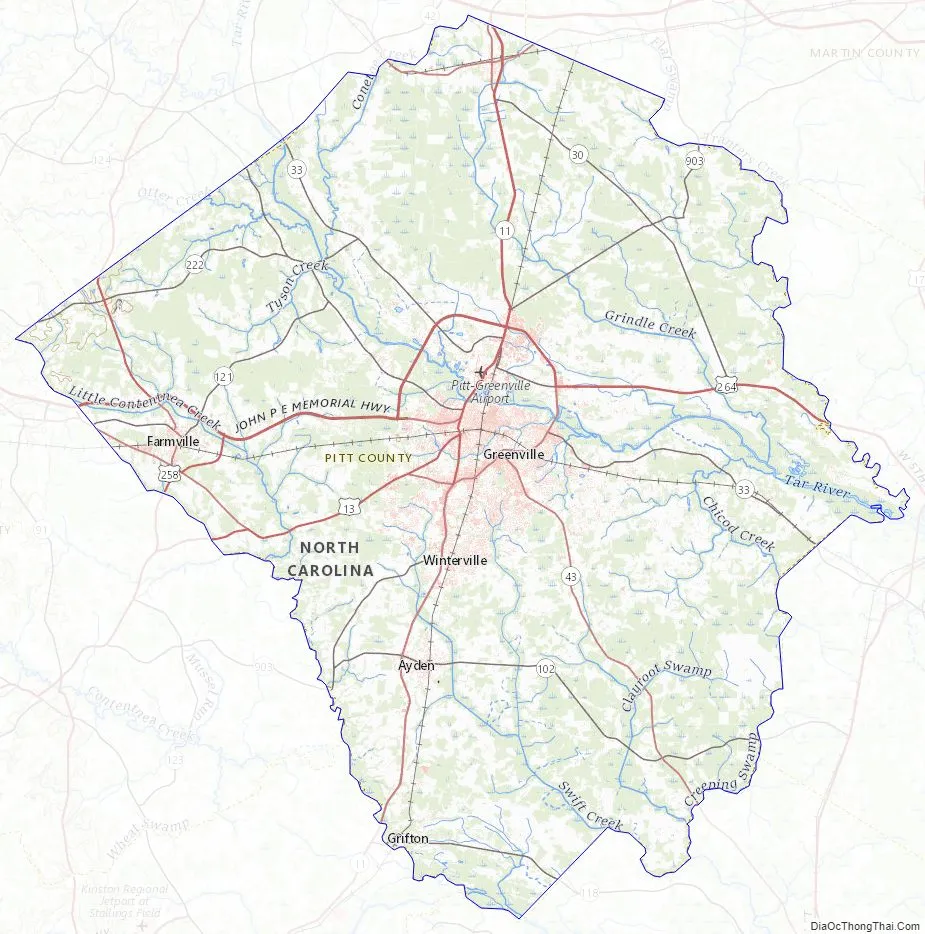 Photo: Pitt County, North Carolina, via cdn.diaocthongthai.com
Spivey was born in 1951 into a family that had worked tobacco for three generations. His grandfather had sharecropped it. His father had eventually scraped together enough to lease a few acres of his own. By the time Ronnie was old enough to walk a row without tripping, he was expected to work it. Summers meant priming — pulling the lowest, ripest leaves by hand and loading them into wooden sleds dragged by mules. It was brutal, sticky labor that left green-black stains on your arms that wouldn't wash off for days.
"We didn't think of it as poison," he said in a 1998 interview. "We thought of it as the thing that kept the lights on."
A Life Owed to the Leaf
For families like the Spiveys, tobacco wasn't a political issue. It was survival arithmetic. The federal tobacco allotment system meant that how many acres you could plant was strictly controlled, which made every harvest feel both precious and precarious. Ronnie watched his father study weather patterns the way some men studied scripture — with equal parts reverence and dread. A hailstorm in July could wipe out a year's worth of work in twenty minutes.
He was a sharp kid, though. Teachers noticed. The county extension agent who occasionally visited the farm noticed. And eventually, a guidance counselor at his high school noticed enough to push him toward a scholarship application he would never have found on his own. In 1969, Ronnie Spivey left Pitt County for Chapel Hill, the first person in his family to attend a four-year university. He studied political science, then drifted toward law almost by accident — a professor's off-hand remark about tort litigation planted a seed that took years to germinate.
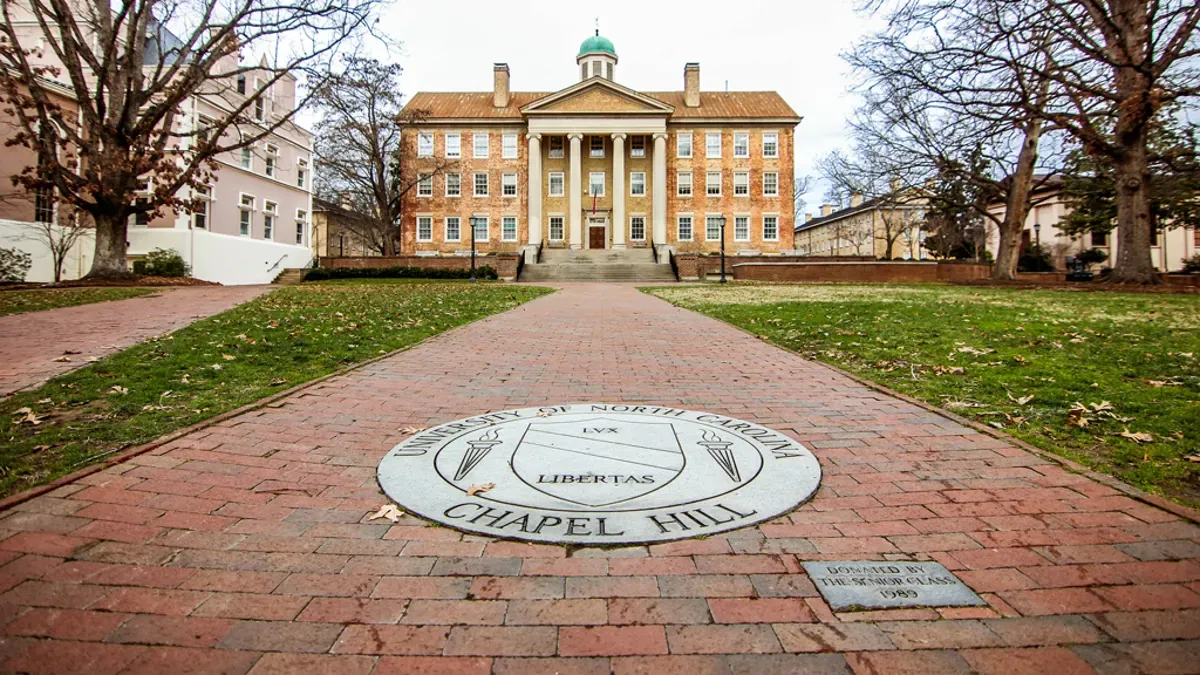 Photo: Chapel Hill, via facts.net
He graduated from UNC School of Law in 1977 and spent the better part of a decade doing what most small-firm attorneys do: car accidents, contract disputes, the occasional wrongful termination. Nothing glamorous. But he was quietly building a reputation as someone who prepared obsessively and never walked into a room without knowing more about the other side's business than they expected.
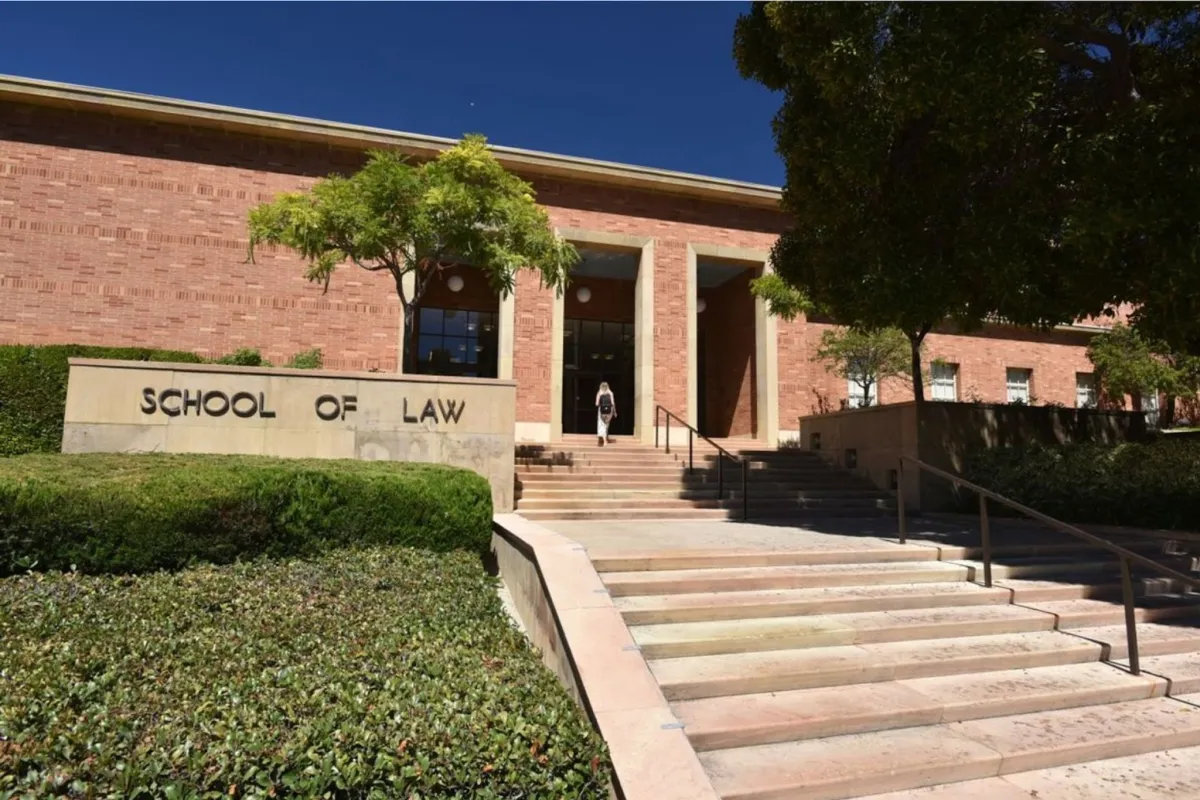 Photo: UNC School of Law, via cdn.sanity.io
When the Lawsuits Started Coming
By the late 1980s, a new wave of personal injury litigation was beginning to circle the tobacco industry. Most of the early cases went nowhere. The companies had armies of lawyers, unlimited resources for expert witnesses, and decades of practice deflecting blame onto individual smokers. "Personal choice" was their favorite two-word legal strategy, and it worked.
What they weren't prepared for was someone who understood their business not from depositions and discovery documents, but from memory.
Spivey joined a coalition of plaintiffs' attorneys in 1991 working a class action on behalf of North Carolina smokers. His colleagues were talented lawyers. But when they sat across from tobacco company witnesses and listened to technical testimony about nicotine delivery systems, manufacturing processes, and agricultural supply chains, they were hearing a foreign language. Ronnie was not.
He knew how tobacco was graded and priced at auction. He knew how curing barns worked, how leaf was blended, how the physical properties of the plant changed depending on how it was grown and processed. He knew, crucially, what the industry's own internal documents were actually talking about when they used language designed to obscure. When a witness tried to reframe a memo about nicotine manipulation as routine agricultural practice, Spivey didn't just challenge it — he dismantled it row by row, the way he'd once dismantled a field of ripe leaf.
"He could tell when they were lying about the science because he understood the thing before the science," said a fellow attorney who worked alongside him in the mid-1990s. "He understood the plant."
The Weapon Nobody Saw Coming
There's a particular kind of authority that comes from lived experience, and it's almost impossible to fake in a courtroom. Juries felt it. Judges noticed it. And opposing counsel, over time, came to dread it.
In one notable 1996 deposition, Spivey spent three hours walking a senior agricultural scientist through the specific conditions under which tobacco leaves absorb pesticide residue during the priming process — knowledge drawn directly from summers spent doing exactly that work as a child. The scientist, who had expected a routine procedural session, left visibly shaken. The company settled within six weeks.
Spivey was never a household name. He didn't appear on magazine covers or anchor the massive state attorney general suits that generated national headlines in the late 1990s. He worked at the level just below the spotlight, which suited him fine. His victories were real but quiet — settlements, favorable precedents, cases that softened the ground for bigger fights to come.
The Weight of It
What made Spivey's story genuinely complicated — and genuinely human — was that he never pretended the conflict inside him had been easy to resolve. His father died of emphysema in 1989, two years before Ronnie joined the tobacco litigation coalition. The man had smoked his own crop his entire adult life, the way farmers sometimes do — out of proximity, habit, and a kind of loyalty to the thing that fed you.
"I didn't start doing this because I was angry," Spivey said once. "I started because I knew too much to pretend I didn't."
That's the thing about growing up inside a system. You can spend your whole life defending it because it's all you know, or you can spend it using what you know to demand something better. Ronnie Spivey chose the harder path — not out of bitterness, but out of a precise, intimate understanding of exactly how much damage had been done, and exactly who had known about it all along.
He retired from active litigation in 2008. The tobacco industry he'd spent seventeen years fighting was smaller, more regulated, and far less powerful than the one that had kept his family's lights on. He didn't take credit for that. But he didn't deny it either.
Some ruins, it turns out, are worth building from the inside.