The Assignment Nobody Wanted
In 1850, the Pacific Coast was a graveyard of ships. Jagged rocks lurked beneath deceptively calm waters, and fog rolled in without warning to swallow vessels whole. The Gold Rush had brought thousands of fortune-seekers by sea, but the coastline from San Francisco to the Oregon Territory remained largely unmapped—a deadly game of chance for every captain who dared navigate it.
The U.S. Coast Survey needed someone willing to spend months in small boats, measuring depths and marking hazards along some of the most dangerous waters in North America. It was backbreaking, lonely work with a high probability of drowning. Most qualified surveyors had better options.
That's when they turned to George Davidson—if you could still call him that after his disgrace.
From Respectability to Ruin
Davidson had once been Philadelphia society's golden boy. Educated at Central High School when formal education still meant something, he'd shown an early aptitude for mathematics and astronomy that impressed his professors. By his mid-twenties, he was working for the Coast Survey's Atlantic operations, producing detailed charts of harbors from Maine to the Carolinas.
Then came the scandal that newspapers of the day called "irregularities in his accounts." The specifics were buried in bureaucratic language, but the outcome was clear: Davidson was dismissed from his position, his reputation in tatters. In an era when a man's word was his bond, accusations of financial impropriety were career-ending.
Most men in his position would have disappeared into obscurity. Davidson chose a different path—he headed west.
The Impossible Coast
What Davidson found when he reached California in 1850 was chaos. Ships arrived daily in San Francisco Bay, but many never made it past the Farallon Islands. The coastline north of the Golden Gate was particularly treacherous—a maze of hidden reefs, sudden depth changes, and weather patterns that could shift from calm to catastrophic in minutes.
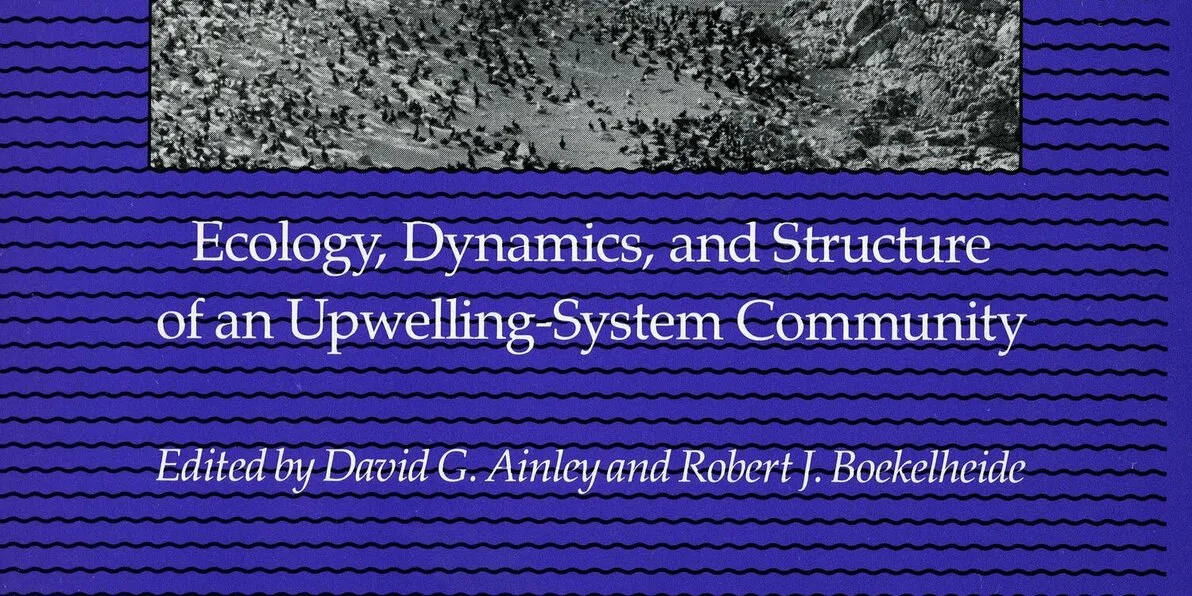 Photo: Farallon Islands, via supress.sites-pro.stanford.edu
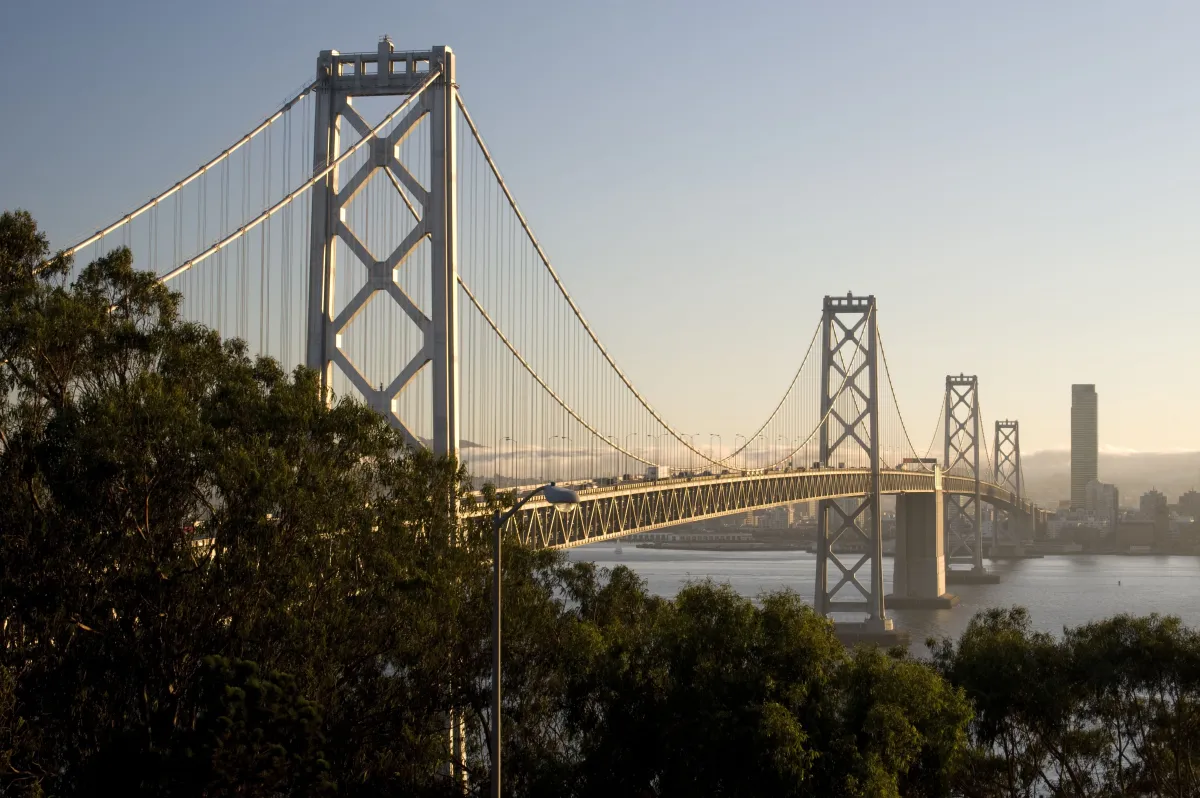 Photo: San Francisco Bay, via www.tripsavvy.com
The Coast Survey's West Coast operations were in shambles. They needed someone with the technical skills to do the work and the desperation to accept the risks. Davidson fit both criteria perfectly.
His first assignment was mapping the approaches to San Francisco Bay—work that required spending weeks in open boats, taking depth measurements with primitive equipment while fighting seasickness and exposure. Most days, he worked alone except for a single assistant, dropping weighted lines into the water and recording readings by hand.
The work was methodical, dangerous, and absolutely crucial. Every measurement Davidson took would eventually appear on charts used by ships carrying mail, supplies, and passengers between California and the rest of the world.
Precision from Desperation
What set Davidson apart wasn't just his technical ability—it was his obsessive attention to detail born from having nothing left to lose. A man rebuilding his reputation couldn't afford mistakes.
He developed techniques for measuring depth and position that were more accurate than anything the Coast Survey had used before. When existing instruments proved inadequate for West Coast conditions, he modified them or built new ones. His charts didn't just mark where rocks were—they indicated the exact depth of water at different tides, the direction of currents, and the bearing of landmarks that could guide ships safely to harbor.
Davidson's work along the Mendocino Coast alone is credited with preventing dozens of shipwrecks. His detailed mapping of the Columbia River bar—one of the most dangerous harbor entrances in the world—made it possible for larger ships to safely reach Portland.
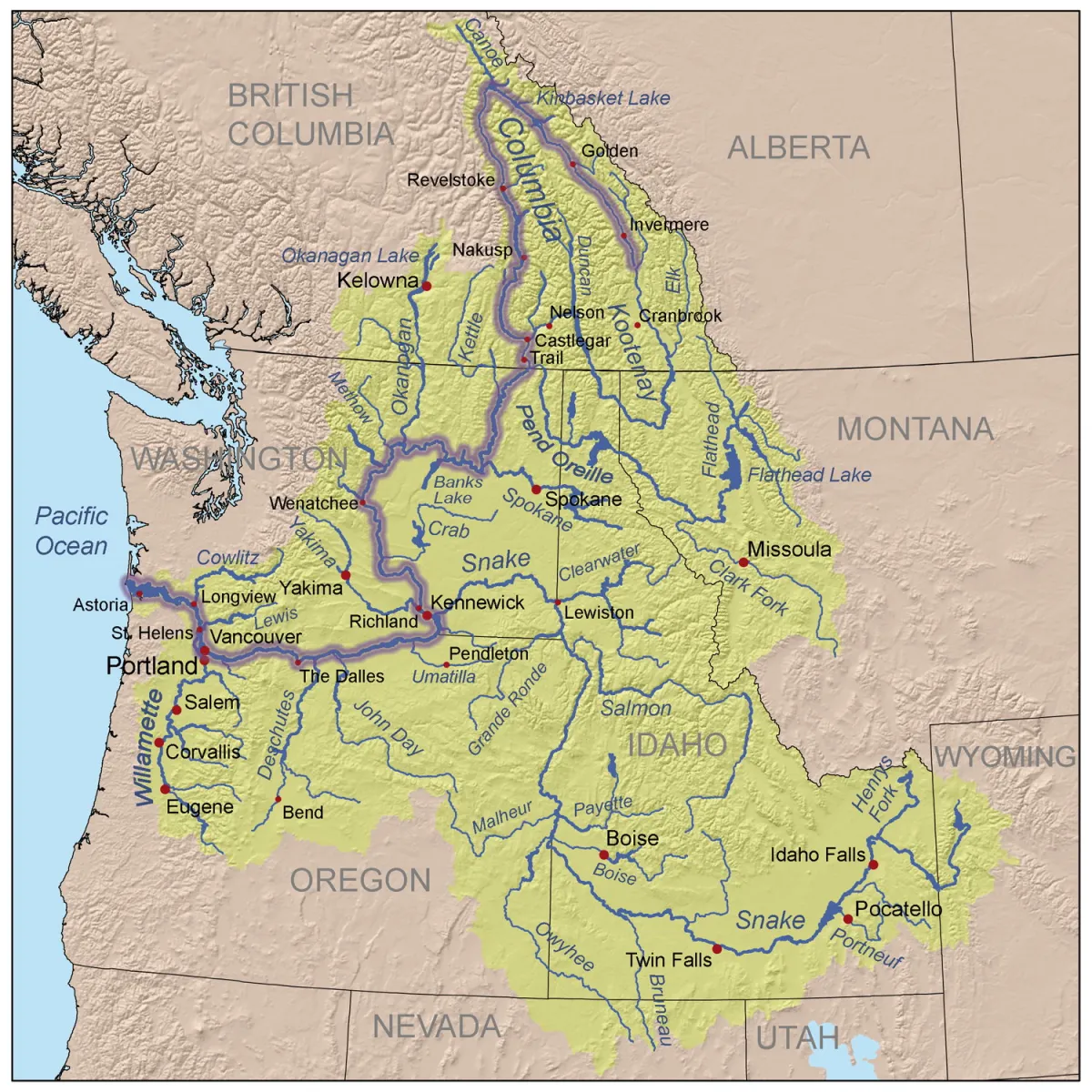 Photo: Columbia River, via 1.bp.blogspot.com
The Redemption Nobody Noticed
By 1860, Davidson had mapped more of the Pacific Coast than any other person alive. His charts were used by every major shipping company operating between California and Asia. The techniques he developed for coastal surveying became standard practice for the Coast Survey nationwide.
Yet Davidson remained largely anonymous. His name appeared on technical reports read by government officials and ship captains, but the newspapers that had once chronicled his disgrace never bothered to report his redemption. He was simply "the surveyor" whose work kept ships off the rocks.
This anonymity may have been exactly what Davidson wanted. The coast had given him something Philadelphia society never could—the freedom to be judged purely on the quality of his work.
Legacy in Fathoms and Lives
Davidson continued his mapping work well into the 1880s, eventually becoming one of the most senior figures in the Coast Survey's Western operations. Ships that might have foundered on unmarked reefs instead reached port safely because of measurements he'd taken decades earlier.
The irony wasn't lost on those who knew his story: a man whose career had been destroyed by questions about his character had become the most trusted name in West Coast navigation. Sea captains who'd never heard of his scandal staked their lives and cargo on the accuracy of his charts.
In the end, Davidson's greatest achievement wasn't redemption—it was irrelevance. His work became so fundamental to Pacific Coast shipping that it faded into the background, as essential and invisible as the tide tables themselves. The convict who mapped America's most dangerous coast had made those waters safe enough that people forgot they'd ever been dangerous at all.