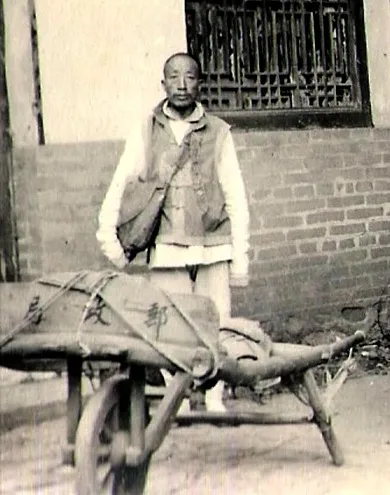
Eight American Fortunes Built on Ideas Nobody Else Wanted

The Graveyard of Great Ideas
American business history is littered with brilliant concepts that were dismissed, shelved, or outright mocked by the very people who should have recognized their potential. But for every idea that died in a boardroom, there was often someone else—usually an outsider—who saw gold where others saw garbage.
These eight entrepreneurs proved that the greatest fortunes in American history were often built on ideas that nobody else wanted.
1. The Breakfast Nobody Would Eat (1894)
The Reject: Will Kellogg's "health food" cereal was considered inedible by his brother's sanitarium patients and laughed at by food industry executives who insisted Americans would never eat "bird food" for breakfast.
The Visionary: Will saw potential in the flaked corn that others found tasteless. While his brother focused on medical treatments, Will quietly perfected the recipe and added sugar—a scandalous addition that food purists condemned.
The Fortune: Kellogg's became a billion-dollar empire, transforming American breakfast habits and proving that sometimes the "worst" idea in the room is actually the best business opportunity.
2. The Toy Store That Sold Furniture (1943)
The Reject: Ingvar Kamprad's idea of selling furniture through mail-order catalogs was dismissed by Swedish furniture makers as "impossible." How could customers buy furniture they couldn't touch or see in person?
The Visionary: Kamprad, banned from traditional furniture trade shows due to industry pressure, started selling flat-packed furniture from a converted barn. His IKEA concept was considered so ridiculous that established furniture dealers actively tried to block his suppliers.
The Fortune: IKEA's "impossible" business model generated $44 billion in revenue by 2020, revolutionizing how the world thinks about furniture retail.
3. The Computer for Hobbyists (1975)
The Reject: IBM executives dismissed the personal computer as a "hobbyist toy" with no commercial value. "Why would anyone want a computer in their home?" they asked.
The Visionary: Steve Jobs and Steve Wozniak saw potential in the machine that Big Blue couldn't imagine. Working from a garage, they built computers for the "hobby market" that IBM had written off.
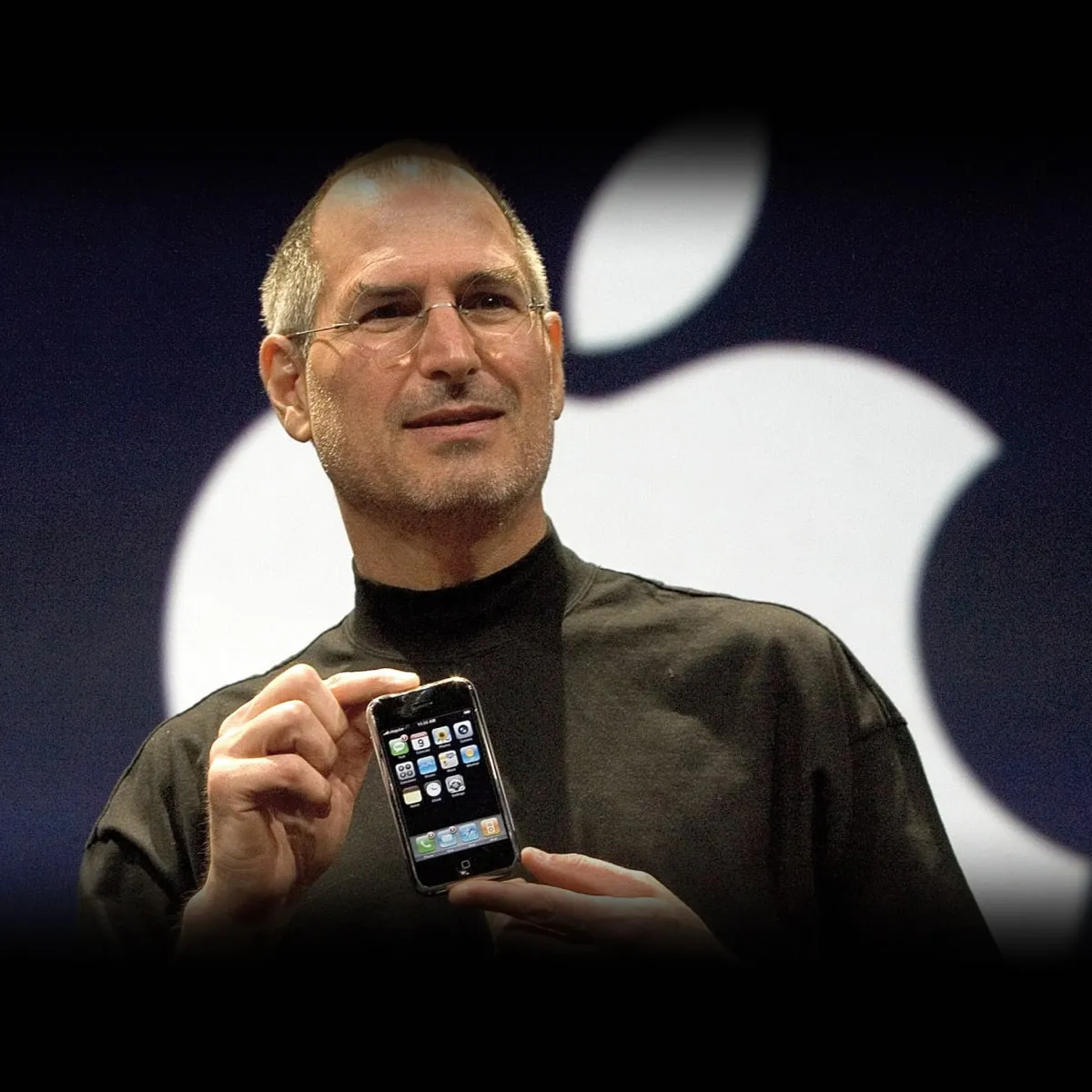 Photo: Steve Jobs, via nationaltoday.com
The Fortune: Apple's market capitalization exceeded $3 trillion in 2022, built entirely on the "hobby" idea that IBM had rejected.
4. The Shipping Idea That "Couldn't Work" (1971)
The Reject: Fred Smith's college paper proposing overnight package delivery earned him a C grade. His professor noted that the idea was "interesting but not feasible" in the real world.
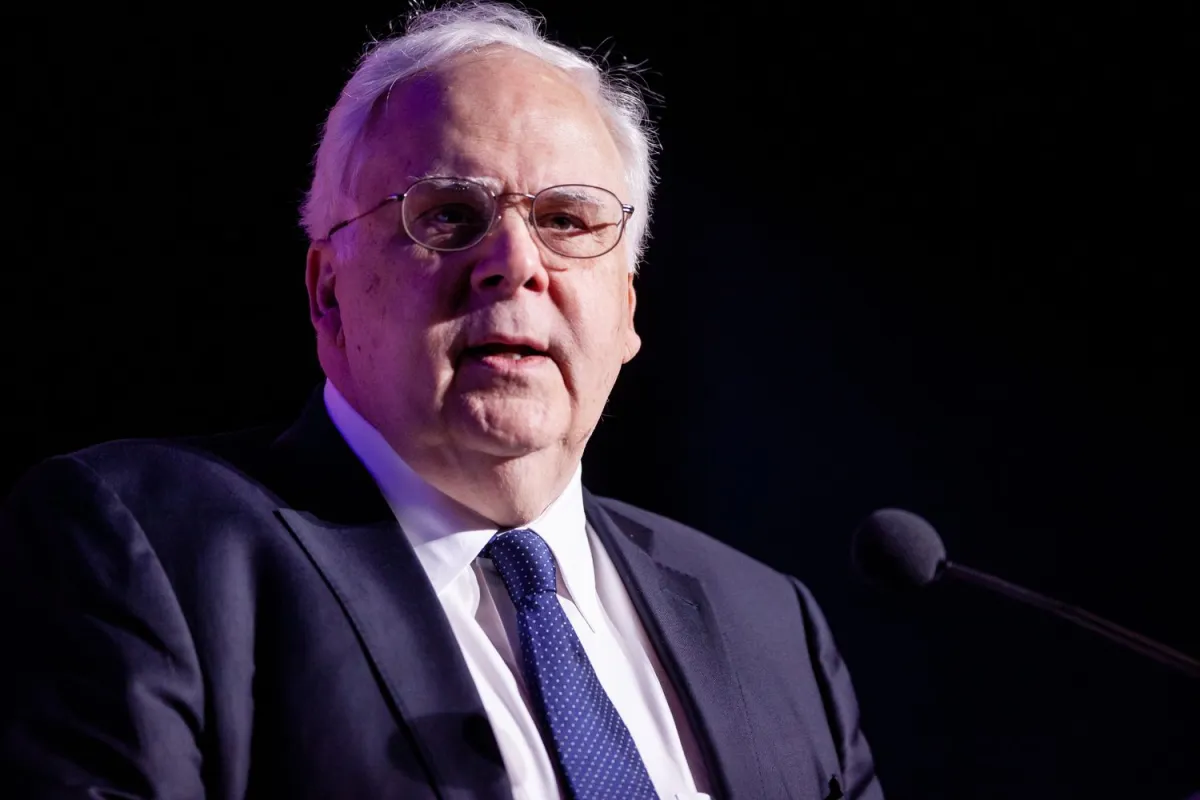 Photo: Fred Smith, via facts.net
The Visionary: Smith ignored academic skepticism and borrowed $4 million to test his "hub and spoke" delivery system. Early investors called it "the most expensive way to lose money ever invented."
The Fortune: FedEx proved that sometimes a C-grade idea can generate A+ profits, revolutionizing global commerce and creating a $70 billion industry.
5. The Search Engine Nobody Needed (1996)
The Reject: Larry Page and Sergey Brin tried to sell their search algorithm to Yahoo, Excite, and AltaVista for $1 million. Every company passed, insisting that search was a "solved problem" with no room for improvement.
The Visionary: The Stanford students decided to keep their "unwanted" technology and build their own company around it, despite having no business experience.
The Fortune: Google's parent company Alphabet is now worth over $1.5 trillion, built entirely on the search technology that established companies didn't want.
6. The Coffee Shop That Sold "Burnt" Coffee (1987)
The Reject: Howard Schultz's idea of selling espresso-based drinks in America was rejected by his employers at Starbucks, who insisted Americans would never pay premium prices for "bitter, burnt-tasting coffee."
The Visionary: Schultz left Starbucks to start Il Giornale, focusing on the espresso bar concept that his former employers had dismissed. Industry experts predicted immediate failure.
The Fortune: Schultz eventually bought Starbucks and transformed it into a $100 billion global empire, proving that Americans would indeed pay premium prices for quality coffee experiences.
7. The Social Network for "Losers" (2003)
The Reject: When Mark Zuckerberg pitched early versions of Facebook to established social networking companies, they dismissed it as "just another Friendster clone" with no unique value proposition.
The Visionary: Zuckerberg continued developing the platform that others saw as redundant, focusing on college students—a demographic that existing social networks had largely ignored.
The Fortune: Facebook's parent company Meta is valued at over $800 billion, built on the "clone" idea that established companies had passed on.
8. The Bookstore That Lost Money on Every Sale (1994)
The Reject: Jeff Bezos's plan to sell books online at a loss was called "the stupidest business model ever conceived" by retail analysts. Why would anyone buy books they couldn't browse first?
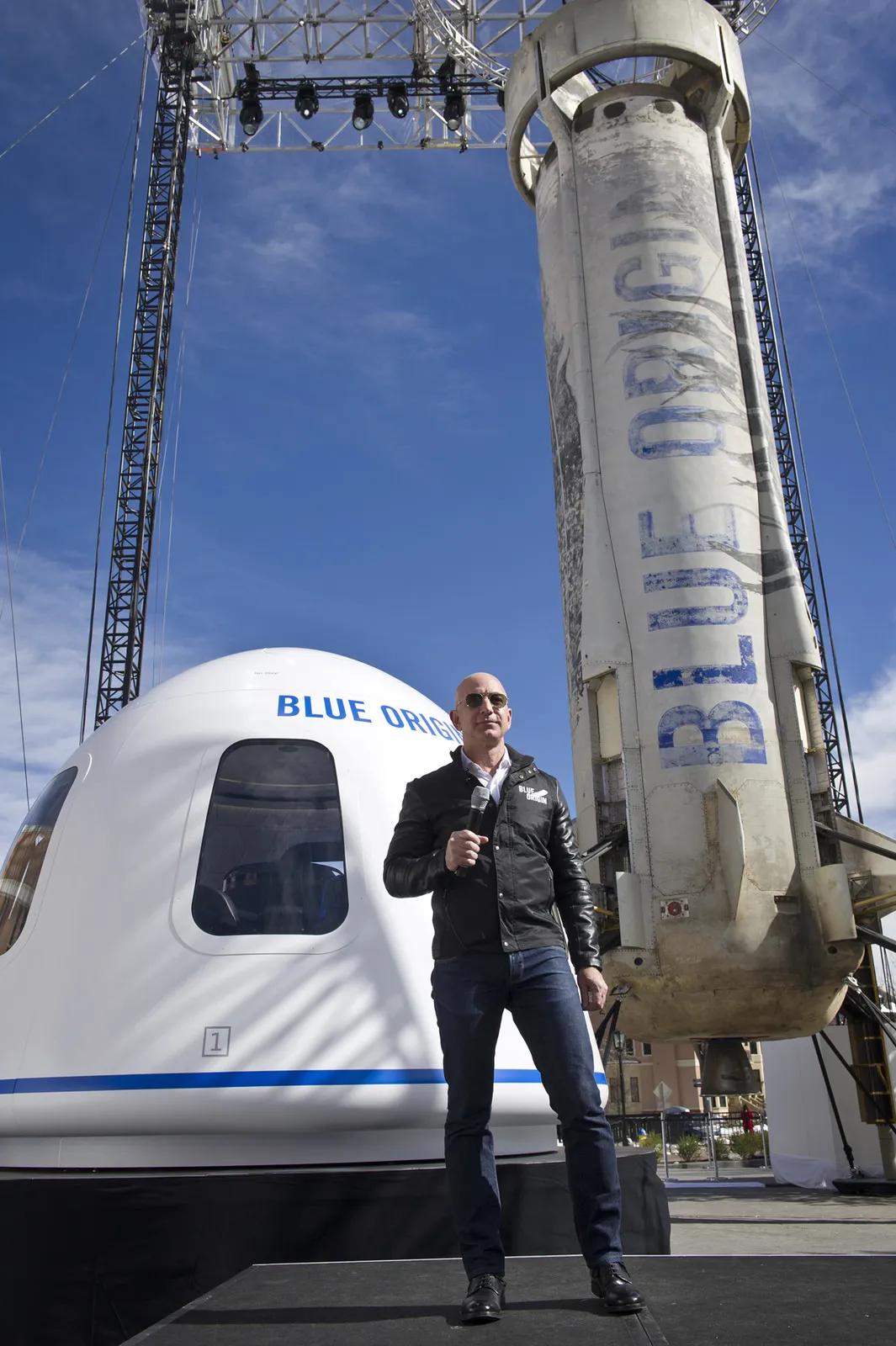 Photo: Jeff Bezos, via cdn.mos.cms.futurecdn.net
The Visionary: Bezos understood that losing money on books was just the beginning. He saw online retail potential that traditional bookstores couldn't imagine.
The Fortune: Amazon became one of the world's most valuable companies, worth over $1.5 trillion, proving that sometimes the "stupidest" idea is actually the smartest long-term strategy.
The Pattern of Rejection
These stories share a common thread: established players consistently failed to recognize transformative ideas, while outsiders saw opportunity in rejection. The very reasons these concepts were dismissed—too risky, too different, too challenging to existing models—were precisely what made them revolutionary.
In American business, the graveyard of "impossible" ideas often becomes the birthplace of the next fortune. Sometimes the best business plan is simply picking up what everyone else has thrown away.