The Myth of the Young Genius
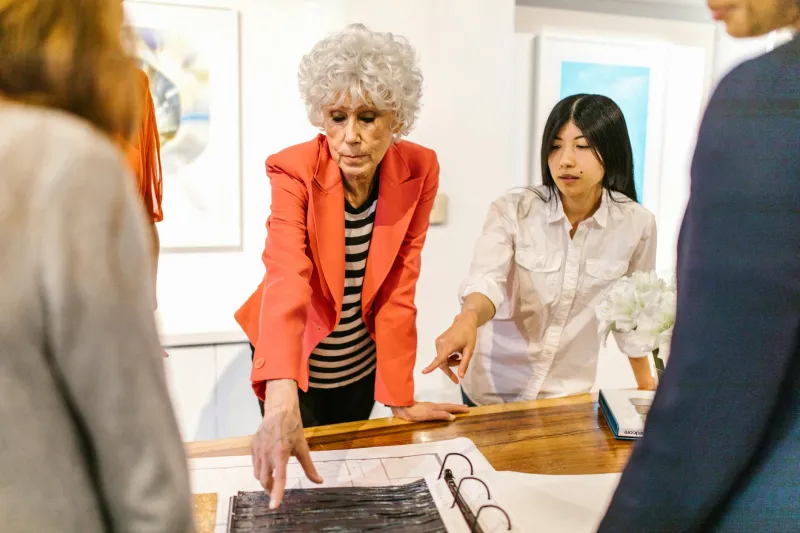
America loves a young success story. We celebrate the college dropout billionaires, the teenage Olympic champions, the twenty-something CEOs who "disrupt" entire industries. But this obsession with youthful achievement has created a cruel mythology: that innovation, creativity, and impact are the exclusive domain of the young.
The eight Americans profiled here didn't get that memo. They were told they were too old, too set in their ways, too far past their prime to matter anymore. Instead of accepting that verdict, they produced their most consequential work after most people start thinking about retirement.
Their stories aren't just inspiring—they're revolutionary. They challenge the fundamental American assumption that greatness has an expiration date.
Laura Ingalls Wilder: The 64-Year-Old Debut Novelist
Laura Ingalls Wilder spent six decades living the kind of hardscrabble frontier life that would later make her famous. She was a farmer's wife, a mother, a occasional newspaper columnist in small Missouri towns. By her sixtieth birthday in 1927, she seemed destined for the quiet obscurity that awaited most rural women of her generation.
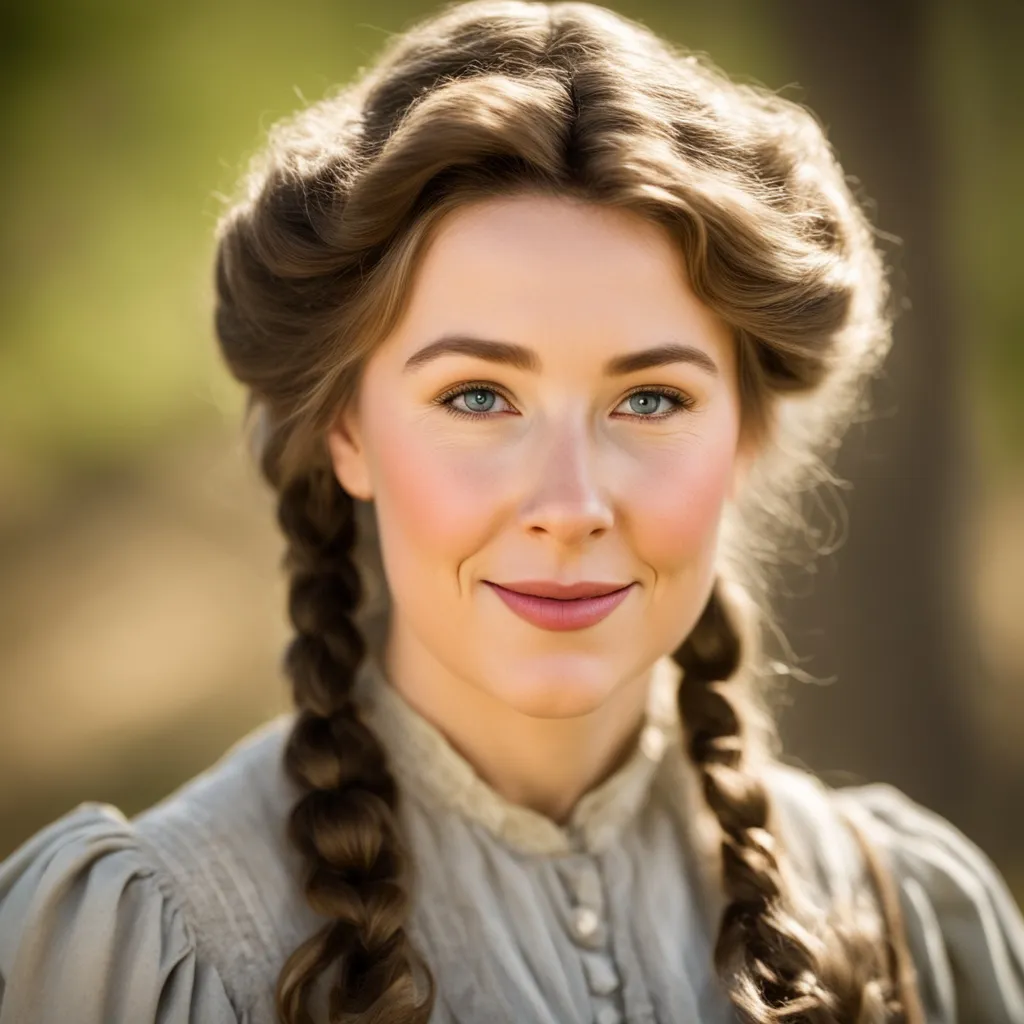 Photo: Laura Ingalls Wilder, via images.deepai.org
Then her daughter Rose, an established journalist, suggested Laura write down her childhood memories of pioneer life. Laura was skeptical. Who would want to read about an old woman's recollections of log cabins and prairie winters?
She was sixty-four when "Little House in the Big Woods" was published in 1932. The book was an immediate success, launching a series that would eventually sell over 60 million copies worldwide. Wilder wrote eight more books over the next fifteen years, creating one of America's most beloved literary legacies.
The woman who thought her story was too ordinary to matter became the voice of an entire era. Her late start meant she wrote with the wisdom of someone who had lived through the transformation of America from frontier to modernity.
Colonel Sanders: The 62-Year-Old Fast Food Revolutionary
Harland Sanders was a serial failure for most of his life. He'd been a farmhand, a streetcar conductor, a failed lawyer, an insurance salesman, a steamboat pilot, and a dozen other things. At sixty-two, he was running a small restaurant attached to a gas station in Kentucky, serving chicken to travelers on a minor highway.
Then the interstate system bypassed his town, killing his business overnight. Most men his age would have accepted defeat. Sanders decided to franchise his chicken recipe instead.
He drove across the country in his old Cadillac, sleeping in the back seat, cooking chicken for restaurant owners who would listen. He was rejected over 1,000 times before finding his first partner. By the time he sold Kentucky Fried Chicken in 1964, he had built a empire worth millions.
Sanders proved that experience, persistence, and the wisdom that comes from decades of failure could trump youth and energy. He became the face of his brand precisely because he looked like someone's grandfather—someone you could trust.
Grandma Moses: The 78-Year-Old Art Sensation
Anna Mary Robertson Moses spent her first seventy-eight years as a farmer's wife in rural New York, raising five children and helping run the family farm. She'd never had an art lesson, never visited a museum, never considered herself creative.
When arthritis made her usual needlework too painful, she picked up a paintbrush almost by accident. Her sister suggested she try painting the same rural scenes she'd been embroidering. Moses began painting on whatever she could find—cardboard, canvas, even the sides of old buildings.
A New York art collector discovered her work in a local drugstore window in 1938, when Moses was seventy-eight. Within two years, she was having solo exhibitions in Manhattan galleries. Her paintings sold for thousands of dollars, and her folk art style influenced a generation of American artists.
Moses painted over 1,500 works between her late seventies and her death at 101. She proved that artistic vision doesn't require formal training or youthful energy—sometimes it just requires the freedom that comes with age to see the world clearly.
Frank Lloyd Wright: The 76-Year-Old Architectural Pioneer
Frank Lloyd Wright was already famous by his seventies, but many critics considered him a relic of an earlier era. His Prairie School style seemed outdated compared to the stark modernism dominating post-war architecture. Younger architects dismissed him as yesterday's genius.
Then, at seventy-six, Wright designed Fallingwater, the Pennsylvania house built over a waterfall that many consider the greatest work of American architecture. He followed that with the Guggenheim Museum in New York, completed when he was eighty-nine.
These late masterpieces weren't retreads of his earlier work—they represented bold new directions that influenced architecture for decades. Wright proved that true creativity doesn't decline with age; it evolves, deepens, and sometimes achieves its greatest expression in the final act.
Julia Child: The 49-Year-Old Culinary Revolutionary
Julia Child was a late starter even by the standards of this list, but her impact was so profound it's worth including her story. At forty-nine, she was a diplomat's wife with no professional cooking experience and a voice that seemed better suited to comedy than cuisine.
Her cookbook "Mastering the Art of French Cooking," published when she was forty-nine, revolutionized American home cooking. Her television show, which began when she was fifty, made her a cultural icon and launched the modern food media industry.
Child proved that passion and persistence could overcome any lack of formal training or youthful ambition. She became America's most trusted cooking teacher precisely because she understood what it was like to be intimidated by complicated recipes.
Benjamin Franklin: The 70-Year-Old Founding Father
Benjamin Franklin was seventy when he signed the Declaration of Independence, making him by far the oldest of the Founding Fathers. Many of his younger colleagues saw him as a distinguished elder whose best days were behind him.
Instead, Franklin's seventies and eighties were among his most productive decades. He served as America's ambassador to France, helping secure the crucial alliance that won the Revolutionary War. He was eighty-one when he helped draft the Constitution, using his diplomatic skills to broker compromises between warring factions.
Franklin's age was actually an asset in these roles. His decades of experience in business, science, and diplomacy gave him a perspective that younger revolutionaries lacked. He understood how to build institutions that would last.
Harland David Sanders: The 88-Year-Old Comeback King
This is a different story about Colonel Sanders—not his initial success, but his remarkable comeback. After selling KFC in 1964, Sanders watched in horror as the new owners changed his recipes and cheapened his brand. By the 1970s, he was largely forgotten, living quietly on his Social Security.
At eighty-eight, Sanders decided to fight back. He sued KFC for misusing his image and began appearing in commercials that openly criticized the company's food quality. "They prostituted every goddamn thing I had," he declared in one memorable interview.
His late-life rebellion revitalized his public image and forced KFC to return to his original recipes. Sanders proved that even in extreme old age, the right combination of principle and publicity could still move mountains.
Anna Mary Robertson Moses: The Centenarian Phenomenon
Grandma Moses deserves a second mention for what she accomplished in her final decades. Between ages ninety and 101, she painted some of her most celebrated works while becoming an international celebrity. She appeared on television, met with presidents, and saw her paintings displayed in museums worldwide.
Moses proved that not only could people create meaningful work in extreme old age, they could also adapt to new technologies and cultural changes. She embraced television appearances and mass media with the same enthusiasm she brought to painting.
The Revolution Continues
These eight Americans didn't just achieve success later in life—they redefined what late-life achievement could look like. They proved that experience, wisdom, and the freedom that comes with age could be more valuable than youthful energy and ambition.
Their stories matter more today than ever. As Americans live longer and healthier lives, the idea that meaningful careers end at sixty-five becomes not just wrong but economically wasteful. These late bloomers showed us that some flowers are worth waiting for—and that the most beautiful gardens often bloom in the final season.
In a culture obsessed with young disruptors and teenage entrepreneurs, perhaps it's time to celebrate the disruptive power of experience. After all, some of America's greatest achievements came from people who were just getting started when everyone else thought they were finished.