Bars, Blueprints, and Billion-Dollar Ideas: The Businesses Born Behind Bars

When Walls Become Workshops
Prison strips away everything entrepreneurs typically rely on: capital, connections, and freedom of movement. Yet some of America's most ingenious business ideas were born precisely because these conventional resources weren't available. Without the option to follow traditional paths, incarcerated entrepreneurs developed solutions that outlasted their sentences and outperformed their competitors.
1. The Mail-Order Empire From Solitary
In 1987, Marcus Williams was serving time for check fraud when he noticed fellow inmates paying outrageous prices for basic personal items from the commissary. Using prison library resources and carefully saved stamps, he began researching wholesale suppliers and developing a business plan for a mail-order company targeting underserved communities.
Williams spent three years in solitary confinement perfecting his concept, using the isolation to focus without distraction. Upon release, his company became one of the largest minority-owned direct-mail businesses in the Southeast, employing over 200 people and generating millions in annual revenue.
2. The Restaurant Chain That Started in a Cell Block
Jerry Rodriguez learned to cook in prison—not by choice, but because kitchen duty offered better working conditions than laundry. During his five-year sentence, he developed recipes using commissary ingredients and began documenting a business plan for fast-casual restaurants focused on authentic, affordable Mexican food.
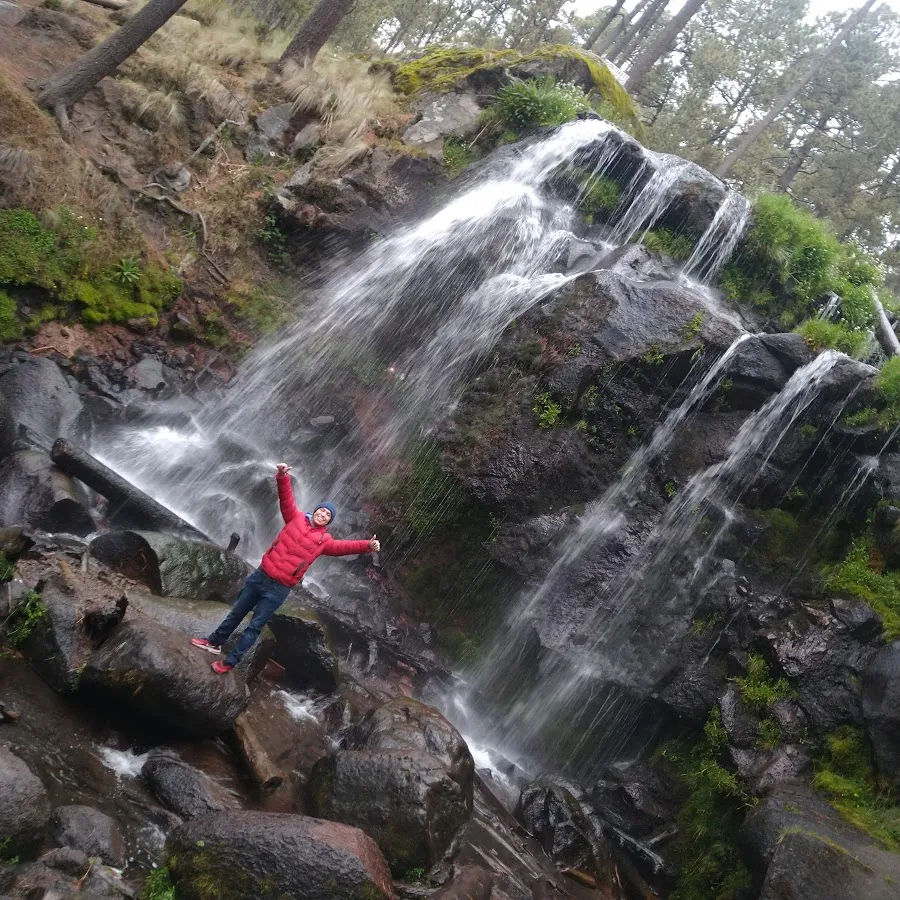 Photo: Jerry Rodriguez, via yt3.googleusercontent.com
Rodriguez's "Libre Kitchen" chain now operates across seven states. His former cellmate became his first business partner, and the company maintains a second-chance hiring program that has employed over 1,000 formerly incarcerated individuals.
3. The Software Solution Born From Prohibition
Prohibited from using computers during his sentence for hacking, David Chen spent four years hand-coding a inventory management system on paper. His detailed algorithms, written in notebooks and refined through countless iterations, addressed problems he'd observed in prison supply chains.
 Photo: David Chen, via goldhouse.org
Upon release, Chen's software company was acquired by a Fortune 500 retailer for $40 million. The irony wasn't lost on him: being banned from computers had forced him to think more clearly about how they should actually work.
4. The Cleaning Empire Built on Institutional Knowledge
Maria Santos spent eighteen months learning every aspect of institutional cleaning while serving time for tax evasion. She noticed inefficiencies in prison operations that mirrored problems in corporate facilities nationwide.
Her commercial cleaning company, launched with $500 and a borrowed van, revolutionized facility management for healthcare institutions. Santos's understanding of regulatory compliance and large-scale operations—gained through involuntary immersion—proved invaluable in an industry where attention to detail literally saves lives.
5. The Publishing House That Started With Contraband
When authorities confiscated Robert Taylor's notebooks containing what they deemed "inappropriate" poetry, he realized there was a market for voices the mainstream publishing world ignored. During his remaining two years inside, he developed a business plan for a publishing company focused on formerly incarcerated authors.
"Redemption Press" has published over 100 titles and became a leading voice in criminal justice reform literature. Taylor's initial insight—that authentic stories from marginalized communities had commercial value—transformed an act of censorship into a thriving business.
6. The Construction Company Built on Rebuilding
James Morrison spent his sentence in a prison work program, learning construction skills while building new facilities. He recognized that the same communities most affected by mass incarceration often lacked access to quality, affordable construction services.
His company specializes in rebuilding homes and businesses in underinvested neighborhoods. Morrison's unique perspective—understanding both the communities he serves and the regulatory challenges they face—has made his firm one of the most trusted contractors in urban renewal projects.
7. The Transportation Network That Moved Beyond Barriers
Without access to cars or even the ability to leave the facility, Samuel Washington spent three years studying transportation logistics by analyzing prison supply chains. He identified patterns in how goods and people moved through restricted environments.
His logistics company now manages transportation for major retailers across the Midwest. Washington's innovations in route optimization and security protocols—developed in an environment where efficiency and safety were literally matters of survival—revolutionized last-mile delivery in urban markets.
8. The Financial Services Firm That Understood Exclusion
After serving time for embezzlement, Patricia Kim couldn't work in traditional banking. Instead, she used her forced exclusion to study how financial services failed communities like the one she now belonged to: people with criminal records who couldn't access basic banking.
Her alternative financial services company provides banking, loans, and financial education to formerly incarcerated individuals and other underserved populations. By understanding exclusion from the inside, Kim built a business that serves markets traditional banks had written off as unprofitable.
The Innovation of Constraint
These entrepreneurs succeeded not despite their circumstances, but because of them. Prison forced them to think differently about resources, relationships, and risk. They couldn't rely on venture capital, prestigious networks, or conventional wisdom. Instead, they had to innovate.
Their stories reveal something profound about American entrepreneurship: sometimes the most valuable business insights come from the places society least expects to find them. When the traditional path is completely unavailable, creativity doesn't just survive—it thrives.